
Cup lids are an important part of disposable food and beverage packaging. For coffee shops, restaurants, takeaway businesses, beverage chains, and packaging distributors, choosing the right cup lids can improve serving convenience, support product presentation, and help create a better customer experience.
However, different businesses have different packaging requirements. Some need paper cup lids to complement paper-based packaging, while others prefer plastic cup lids for specific beverage applications. The right choice depends on the cup design, lid material, intended use, and purchasing requirements.
In this guide, we explain the main types of cup lids, what to consider when selecting them, and how to evaluate a supplier for your business.
What Are Cup Lids?
Cup lids are covers designed to fit the opening of cups used for beverages and certain food products. They are commonly used in takeaway coffee shops, restaurants, cafes, juice bars, and other food service businesses.
Depending on their design, cup lids can help reduce spills, protect the contents during handling, and make beverages more convenient to carry and consume.
For commercial buyers, selecting suitable cup lids involves more than choosing a particular material or appearance. The lid must fit the cup properly and meet the practical requirements of the intended application.
Cup lids are commonly used for:
- Hot coffee, tea, and other takeaway beverages
- Iced coffee, juice, and cold drinks
- Bubble tea and specialty beverages
- Takeaway food and selected dessert applications
- Commercial catering and food service operations
Understanding how cup lids are used can help businesses identify the most appropriate packaging options for their daily operations.
Types of Cup Lids for Commercial Use
Different cup lid designs serve different purposes. Understanding their characteristics can help buyers compare available products and narrow down their choices.
1. Paper Cup Lids
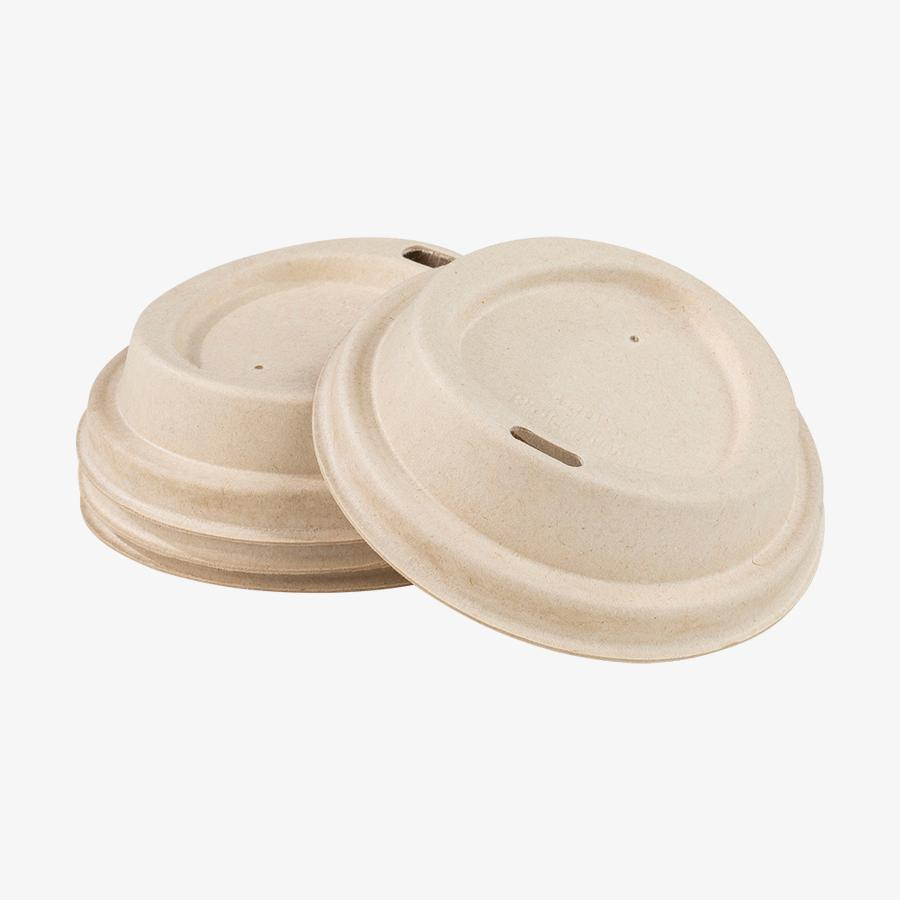
Paper cup lids are an option for businesses looking for paper-based packaging components. They can complement paper cups and may suit selected takeaway beverage applications, depending on the product’s material structure and specifications.
When evaluating paper cup lids, buyers should consider:
- Material composition and any coatings or additional layers
- Compatibility with the selected cup
- Resistance to moisture during normal use
- Suitability for the intended beverage and temperature
- Storage, transportation, and disposal requirements
Businesses interested in reducing plastic use should verify the actual material composition before purchasing. Not every product marketed as a paper lid is necessarily completely plastic-free, recyclable, or compostable.
Choosing a suitable paper cup lid requires checking both its functional characteristics and its compatibility with the wider packaging system.
2. Plastic Cup Lids
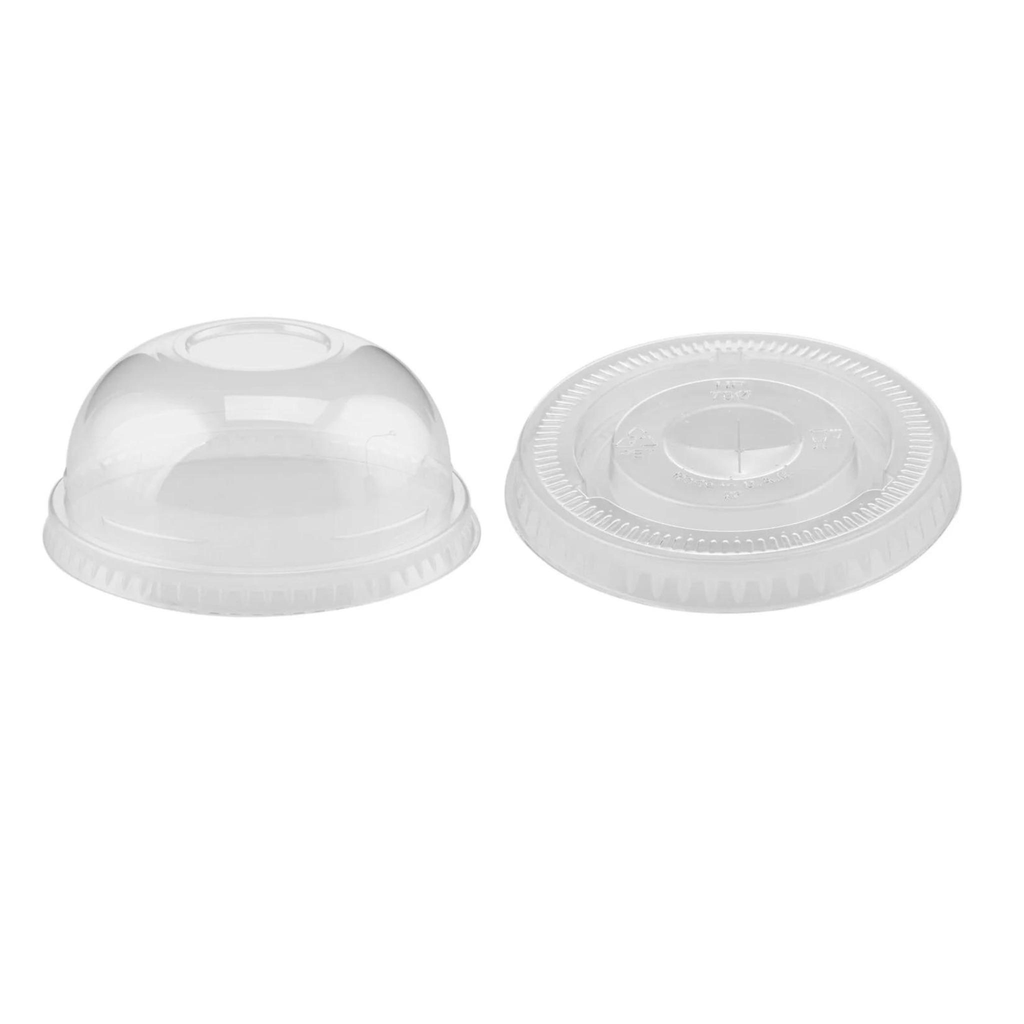
Plastic cup lids are another common option for disposable beverage packaging. They are available in different shapes and opening designs to accommodate various serving requirements.
Depending on their specifications, plastic cup lids may be suitable for cold beverages, takeaway coffee, and other food service applications.
When comparing plastic lids, consider the following factors:
- Material type and product construction
- Cup rim diameter and lid fit
- Drinking or straw opening design
- Intended beverage and temperature
- Packaging efficiency and storage requirements
Businesses should confirm the intended application of each product rather than assuming that every plastic lid is suitable for both hot and cold beverages.
The right choice depends on the actual product specifications and the operating conditions in which the lid will be used.
3. Flat Cup Lids
Flat cup lids have a low-profile design and are commonly considered for standard takeaway beverage packaging.
Depending on the design, they may feature a drinking opening or a straw slot. Their relatively flat shape can also make them convenient to stack and store.
Flat lids may be worth considering for businesses that prioritize straightforward beverage service, efficient storage, and consistent packaging across multiple locations.
Before ordering, confirm the lid’s dimensions, opening design, and compatibility with the cups used in your business.
4. Dome Cup Lids
Dome cup lids have a raised shape that provides additional space above the cup opening. They can be useful for selected cold beverages and desserts that require extra headroom.
Potential applications include specialty iced drinks, smoothies, whipped-cream beverages, and certain dessert products.
When selecting dome lids, consider the height of the lid, the cup diameter, the contents being served, and whether the design accommodates any toppings or decorative ingredients.
The best option is one that fits the cup securely and suits the intended product.
How to Choose the Right Cup Lids
For businesses purchasing cup lids in bulk, selecting the right product requires balancing compatibility, functionality, material preferences, and purchasing costs.
Check Cup Size and Rim Diameter
Cup size is one of the first factors to consider when choosing cup lids. However, cup capacity alone does not determine whether a lid will fit.
Two cups with the same capacity may have different opening diameters or rim profiles. A lid that does not fit correctly may become loose, prove difficult to install, or fail to perform as expected.
Before placing an order, confirm the following information:
- Cup capacity
- Actual rim diameter
- Rim shape and design
- Cup material and construction
- Compatible lid specifications
If you are changing suppliers or introducing a new packaging design, request samples and test the complete cup-and-lid combination before committing to a large order.
Match the Material to Your Requirements
Material selection should reflect the intended application and your business’s packaging priorities.
Paper cup lids may be appropriate for businesses seeking paper-based packaging components. Plastic cup lids may offer different shapes and opening designs for specific serving needs.
Neither material is automatically the best choice for every business.
Consider your customers’ expectations, packaging budget, product requirements, and applicable environmental regulations. If recyclability, compostability, or reduced plastic content is important, request supporting material documentation before making a purchasing decision.
Consider the Beverage or Food Application
The intended contents can influence which cup lid design is appropriate.
For example, takeaway coffee may require a lid with a convenient drinking opening, while a cold beverage may need a straw slot or a design that accommodates toppings.
Ask yourself these questions before choosing a product:
- Will the cup contain a hot or cold beverage?
- Will customers drink directly from the lid or use a straw?
- Does the beverage include foam, cream, or toppings?
- Will the cup be carried during travel or delivery?
- Are there specific packaging requirements for the intended application?
Answering these questions helps you compare suitable options instead of choosing solely by appearance or price.
Evaluate Product Quality and Consistency
For commercial buyers, consistent product dimensions and manufacturing quality are important considerations.
Variations in lid dimensions, material thickness, or rim engagement can affect how easily lids fit onto cups.
When evaluating a cup lid supplier, ask about its quality-control procedures, product specifications, and inspection practices. Where appropriate, test samples under normal operating conditions.
A clear specification and a practical sample evaluation can help reduce compatibility problems and support more consistent purchasing decisions.
Compare Total Purchasing Costs
The lowest unit price does not always represent the best overall value.
Commercial buyers should consider the total cost of purchasing and using cup lids, including product price, packaging, shipping, storage, and the potential cost of incompatible products.
For wholesale orders, it is also important to confirm minimum order quantities, carton packing, lead times, and arrangements for repeat purchases.
Comparing suppliers on these factors can help you make a more informed decision for your business.
Why Cup and Lid Compatibility Matters

Cup lids and cups work together as a packaging system. Even when two products look similar, differences in rim diameter, cup shape, or manufacturing tolerances can affect their compatibility.
A suitable combination should fit correctly and perform as expected during normal handling and serving.
Before purchasing cup lids, confirm the following details with your supplier:
- Cup dimensions and rim diameter
- Lid dimensions and design
- Material specifications
- Intended beverage or food application
- Required packaging quantities
- Storage and shipping arrangements
If you purchase cups and lids separately, share the relevant specifications with both suppliers. This can help reduce misunderstandings and avoid ordering products that do not fit together.
For large orders, sample testing is a practical step before finalizing the purchase.
What to Look for in a Cup Lid Supplier
Choosing a suitable cup lid supplier is an important part of commercial packaging procurement. Buyers should consider the supplier’s product range, communication, specification management, and ability to support their purchasing requirements.
A Relevant Product Range
A supplier with complementary packaging products can simplify sourcing for businesses that need several types of disposable packaging.
For example, coffee shops and takeaway beverage brands may need cups, cup lids, cup sleeves, and other packaging components as part of the same purchasing process.
Review the supplier’s product catalog to identify which products match your requirements.
Clear Product Specifications
Reliable purchasing begins with clear communication about product dimensions, materials, design, and intended use.
Before placing an order, confirm the available specifications and ask questions about any requirements that are not covered in the product information.
For customized or non-standard products, clarify the design requirements and sample approval process before making a commitment.
Quality and Documentation
Commercial buyers should understand how a supplier manages product quality and what documentation is available for the products being considered.
Depending on the market and application, this may include material information, food-contact documentation, and other relevant compliance records.
Always verify that the available documentation applies to the specific product you intend to purchase.
Communication and Order Coordination
Clear communication can make procurement easier, particularly when purchasing packaging products from overseas suppliers.
Confirm order quantities, packaging details, production schedules, shipping arrangements, and documentation requirements before finalizing the purchase.
For recurring orders, keeping an agreed product specification can also help maintain consistency between purchases.
Exploring Cup Lids and Packaging Solutions from Golden Sleeve
Golden Sleeve offers disposable food and beverage packaging products, including paper lids, plastic lids, paper cups, and cup sleeves.
For coffee shops, restaurants, takeaway beverage businesses, and packaging distributors, these product categories provide options to consider when reviewing packaging requirements.
When exploring cup lids from Golden Sleeve, start by identifying the type of lid you need and the cups with which it will be used. Confirm the relevant product specifications before making a purchasing decision.
To help clarify your requirements, prepare the following information:
- Preferred cup lid material
- Required lid design and dimensions
- Cup capacity and rim diameter
- Intended beverage or food application
- Estimated purchasing quantity
- Packaging and shipping requirements
Providing these details can make product discussions more focused and help determine which available options are appropriate for your business.
You can visit the Golden Sleeve official website to explore its product range and contact the company about your packaging needs.
Frequently Asked Questions About Cup Lids
What are the main types of cup lids?
Common types include paper cup lids, plastic cup lids, flat lids, and dome lids. The appropriate option depends on the cup design, beverage or food application, material preferences, and product specifications.
How do I choose the correct size of cup lids?
Check the cup’s actual rim diameter and profile rather than relying only on its capacity. Confirm compatibility with your supplier and test samples when possible.
Are paper cup lids better than plastic cup lids?
Neither option is universally better. Paper and plastic lids have different material characteristics and product designs. The best choice depends on the intended application, compatibility, cost, and packaging requirements.
Can I order cup lids in bulk?
Wholesale availability and minimum order quantities depend on the supplier and product. Contact the supplier to confirm available products, order quantities, packaging arrangements, and shipping details.
What should I ask a cup lid supplier before purchasing?
Ask about product dimensions, material composition, cup compatibility, quality-control procedures, relevant documentation, order quantities, lead times, and shipping arrangements.
Can cup lids be customized?
Customization availability depends on the supplier and the specific product. If you need a particular size, material, design, or branded packaging, discuss your requirements with the supplier before placing an order.
Final Thoughts
Choosing the right cup lids requires careful consideration of material, dimensions, design, cup compatibility, and purchasing requirements.
For coffee shops, restaurants, takeaway beverage brands, and packaging distributors, a clear understanding of these factors can help simplify product selection and reduce the risk of ordering incompatible packaging.
Before making a bulk purchase, identify your application requirements, confirm product specifications, and evaluate samples where appropriate.
If you are exploring packaging options for your business, visit Golden Sleeve to learn more about its paper lids, plastic lids, paper cups, and cup sleeves.