Cold Drink Cups are widely used by coffee shops, bubble tea brands, juice bars, and beverage chains. However, businesses using cold beverage packaging sometimes experience a common problem: labels begin to peel, wrinkle, or become difficult to read after drinks are filled and prepared for takeaway.
This issue is particularly common with iced coffee, milk tea, smoothies, and other beverages served with ice. Understanding the causes can help businesses choose suitable packaging materials and improve their takeaway packaging process.
This problem is particularly common in iced coffee, milk tea, smoothies, and other beverages served with ice.
The issue is not always caused by the label itself. Moisture, application conditions, label materials, and cup surface characteristics can all affect the final result.
Understanding these factors can help beverage businesses choose more suitable cold drink cups and improve their packaging process.
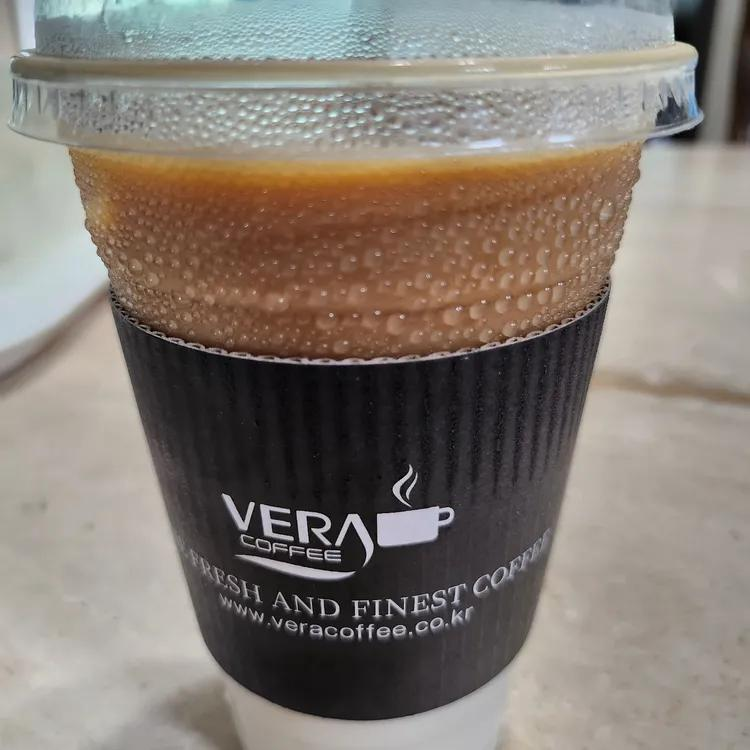
Table of Contents
1. Condensation Creates a Moist Surface
Condensation is one of the most common challenges in cold beverage packaging.
When an iced drink is placed in a warmer environment, moisture can form on the outside of the cup. This water may interfere with the adhesive layer of a label, especially when the label is applied to a wet surface.
As a result, labels may lose their grip around the edges or gradually become detached.
How to reduce the problem:
- Check whether the cup exterior is dry before applying labels.
- Avoid applying labels immediately after filling if moisture has already formed.
- Evaluate label adhesive performance under realistic cold-drink conditions.
- Test packaging in the actual storage and delivery environment.
For businesses serving high volumes of iced beverages, testing the complete packaging process is more useful than evaluating labels separately.
For additional technical guidance, see Avery Dennison’s Cold and Wet Label Application Recommendations, which explains how condensation and low temperatures affect pressure-sensitive label adhesion.
2. The Label Material Is Not Suitable for Cold Drinks
Not all labels are designed for refrigerated or condensation-prone environments.
Paper labels, standard adhesive labels, and moisture-resistant synthetic labels can behave differently when exposed to water and temperature changes.
A label that performs well on a dry takeaway container may not provide the same results on a cold beverage cup.
Before placing a large order, buyers should consider:
- Label material and surface finish.
- Adhesive type and moisture resistance.
- Expected exposure to condensation.
- Storage and transportation conditions.
- Required readability throughout the delivery period.
Requesting samples and testing them with actual beverages can help identify potential problems before mass production.
3. Labels Are Applied Before the Cup Surface Is Ready
Application conditions are another important consideration.
If labels are applied while the cup surface is damp, dusty, or contaminated, the adhesive may not establish consistent contact.
Poor application pressure or uneven placement can also create air pockets and loose edges.
For better results, establish a consistent labeling process:
- Inspect the cup surface before application.
- Keep the application area clean and dry.
- Follow the label supplier’s recommended application instructions.
- Apply consistent pressure.
- Check the edges before packaging the finished drinks.
A standardized process is especially important for beverage chains operating multiple locations.
4. Cup Selection and Label Design Are Not Considered Together
A label may look attractive on a flat design file but perform differently when applied to a curved cup.
Cup diameter, surface curvature, label dimensions, and placement all influence the final appearance.
An oversized label may wrinkle around the cup. A poorly positioned label may also become difficult to read when the cup is held or stacked.
When developing custom cold drink packaging, consider:
- Cup capacity: 12 oz, 16 oz, or 20 oz.
- Cup diameter and overall dimensions.
- Label width and height.
- Logo placement and information readability.
- Whether the design needs to work across multiple cup sizes.
Golden Sleeve offers single-wall cold paper cups in 12 oz, 16 oz, and 20 oz sizes, with custom exterior printing available.
Choosing the cup and branding requirements together can make packaging development more consistent.
5. The Packaging Has Not Been Tested Under Real Delivery Conditions
A label that remains attached inside a shop may behave differently during a 20-minute delivery journey.
Cold drinks can experience temperature changes, repeated handling, condensation, and contact with other packaging materials.
Before approving a large packaging order, conduct a practical test:
- Fill the cup with the intended cold beverage.
- Apply the proposed label using the planned process.
- Observe the packaging after 15, 30, and 60 minutes.
- Check whether the label edges lift or the printed information becomes unclear.
- Repeat the test under typical delivery conditions.
The purpose is to identify problems before they affect a large number of customer orders.
Choosing the Right Cold Drink Cups for Your Business
Cold beverage packaging needs to perform well throughout preparation, storage, and delivery.
Golden Sleeve supplies single-wall cold paper cups with waterproof coating on both the inside and outside to help resist condensation, softening, and collapse.
Available reference sizes include:
- 12 oz cold paper cups
- 16 oz cold paper cups
- 20 oz cold paper cups
Custom exterior printing is also available. Final specifications and pricing depend on order quantity, artwork, and delivery requirements.
For related packaging requirements, buyers can also review cup sleeves and compatible lid options.
Frequently Asked Questions
Why do labels peel off cold drink cups?
Condensation, unsuitable adhesive materials, damp application surfaces, and poor label placement can all contribute to peeling.
Can paper labels be used on cold beverage cups?
They can be used in some applications, but their performance depends on the paper construction, adhesive, moisture exposure, and actual operating conditions. Testing is recommended.
What size cold paper cups should a beverage business choose?
Common options include 12 oz, 16 oz, and 20 oz. The right size depends on beverage portions, menu design, and customer requirements.
Should labels be tested before ordering cups in bulk?
Yes. Testing the complete cup, label, beverage, and delivery process can help identify compatibility problems before a larger purchase.
Request a Cold Drink Packaging Quote
Planning a new beverage brand or upgrading your existing takeaway packaging?
Golden Sleeve can help you review cold paper cup sizes, custom exterior printing, packaging specifications, and order requirements.
To receive a more accurate quotation, prepare:
- Required cup sizes.
- Estimated order quantity.
- Custom printing artwork.
- Lid requirements.
- Delivery ZIP code.
Contact Golden Sleeve to discuss your cold drink cup requirements and request product specifications.
Website: https://golden-sleeve.com/contact/