
Ordering paper cups wholesale involves more than comparing unit prices and selecting cup sizes.
For coffee shops, restaurant groups, distributors, and foodservice packaging buyers, receiving the correct products in acceptable condition is equally important.
However, wholesale shipments can sometimes arrive with crushed cartons, torn outer packaging, moisture marks, or inconsistent case quantities.
Even when the products appear usable, damaged packaging may create additional handling work, inventory problems, and uncertainty about product condition.
A structured receiving inspection helps buyers identify issues early and document problems before accepting an order.
Here are seven essential checks to perform when wholesale paper cup cartons arrive damaged.
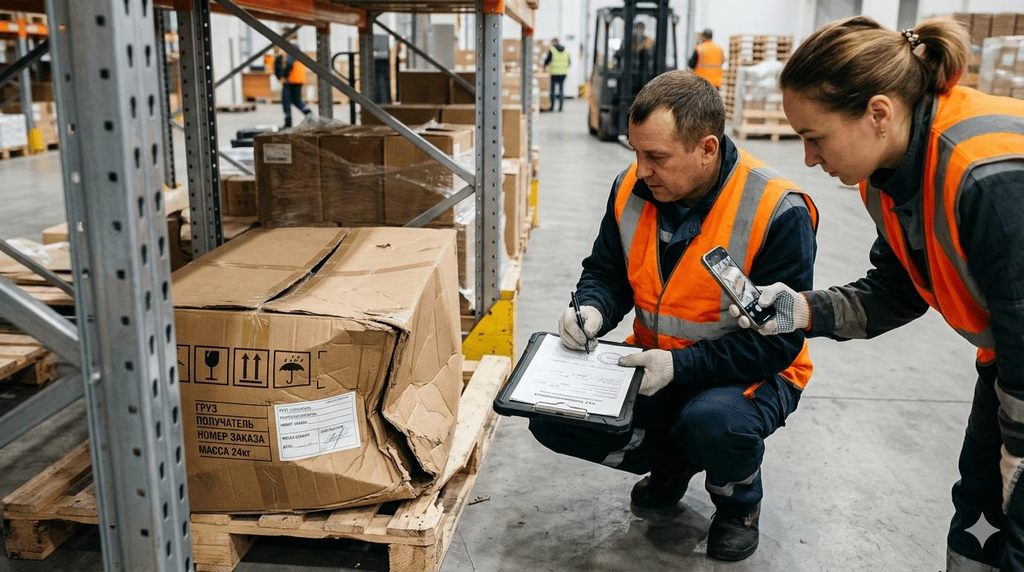
Table of Contents
1. Inspect the Outer Cartons Before Unpacking
The first step is to examine the condition of every carton.
Look for:
- Crushed corners and collapsed carton walls.
- Torn or punctured outer packaging.
- Water stains or signs of moisture exposure.
- Open carton seams.
- Damaged labels or shipping marks.
- Signs of repeated handling.
Take photographs of damaged cartons before opening them.
These photographs provide a useful record of the shipment’s arrival condition and can help clarify questions with the supplier or logistics provider.
Do not assume that every damaged carton contains damaged cups. The outer packaging should be assessed separately from the products inside.
2. Check Whether the Inner Packaging Is Intact
After recording the carton condition, inspect the internal packaging.
Paper cups are often packed in sleeves or inner bags to help protect them during transportation and storage.
Check whether:
- Inner bags are torn or open.
- Cup sleeves have become loose.
- Dust or foreign material has entered the packaging.
- Packaging has become wet.
- Individual cups are exposed or deformed.
If the outer carton is damaged but the inner packaging remains intact, the products may still be suitable for their intended use.
However, the final decision should depend on the actual condition and applicable food-contact requirements.
3. Verify the Quantity Against the Purchase Order
Quantity discrepancies can create problems for businesses that rely on predictable packaging inventory.
Check the received cartons against the purchase order and packing list.
Confirm:
- Number of cartons received.
- Units or sleeves per carton.
- Product sizes and specifications.
- Product descriptions and identification labels.
- Any separately packed lids or accessories.
For example, a buyer ordering 12 oz, 16 oz, and 20 oz cups should verify that the quantities for each size match the approved order.
Do not rely only on the total carton count. Different products may have different packing quantities.
4. Examine the Cup Shape and Construction
A carton can look damaged even when the cups inside remain in acceptable condition. The products themselves should therefore be checked.
Select samples from affected cartons and inspect:
- Cup roundness and rim shape.
- Visible dents or deformation.
- Sidewall condition.
- Bottom construction.
- Printing quality.
- Signs of moisture or contamination.
If the cups are intended for hot beverages, conduct an appropriate practical handling and filling test.
For cold beverages, check the cup’s performance under the expected use conditions.
Any testing involving food-contact packaging should follow the relevant product specifications and applicable requirements.
5. Compare the Products With the Approved Sample
The approved sample or specification is an important reference during receiving inspection.
Compare the delivered products with the original order requirements.
Pay attention to:
- Cup capacity.
- Dimensions and rim diameter.
- Paper construction.
- Exterior printing and artwork.
- Packaging configuration.
- Approved product variations.
For custom paper cups, even small differences in artwork placement or product dimensions may affect the final result.
Keep the approved sample, artwork proof, and purchase order available during inspection.
This makes it easier to distinguish an actual specification deviation from normal production variation.
6. Document Every Problem Before Resolving It
When damaged cartons or product defects are identified, organize the evidence immediately.
A useful inspection record should include:
| Inspection item | What to record |
|---|---|
| Carton condition | Crushed, torn, wet, or open |
| Product condition | Deformation, contamination, or printing issues |
| Quantity | Expected versus received |
| Product size | 8 oz, 12 oz, 16 oz, etc. |
| Photographs | Outer carton and internal product condition |
| Order reference | Purchase order and shipment details |
For significant discrepancies, separate the affected cartons from undamaged stock while the issue is being reviewed.
Notify the supplier promptly and provide the relevant photographs and inspection records.
This creates a clearer basis for discussing the next steps.
For professional guidance on transport packaging and product protection, buyers can refer to the ISTA Packaging Test Procedures. These procedures cover package integrity and transportation-related risks, helping businesses understand how packaging performs during distribution.
7. Understand the Inspection and Payment Process Before Ordering
One of the most important ways to reduce receiving risk is to clarify the inspection process before production begins.
Buyers should understand:
- Which specifications will be inspected.
- Where the goods will be delivered.
- Who will coordinate the inspection.
- How damaged products will be documented.
- How discrepancies will be reviewed.
- When the remaining payment becomes due.
Golden Sleeve offers a qualified DDP purchasing arrangement designed to give eligible buyers a local inspection opportunity.
Under the website’s stated arrangement, buyers pay a 50% production deposit. The remaining 50% is paid after the order arrives at a local bonded warehouse and passes inspection.
The applicable order terms and inspection requirements should be confirmed before placing an order.
This approach can help buyers review product construction, order quantities, printing, and packaging condition before making the final payment.
How to Choose a Reliable Paper Cups Wholesale Supplier
A reliable supplier should do more than provide an attractive quotation.
When evaluating wholesale paper cup suppliers, consider the following:
Product range: Can the supplier support the cup sizes and packaging accessories your business needs?
Customization: Are custom dimensions, exterior printing, and packaging requirements clearly documented?
Sample approval: Can you review product samples and artwork before production?
Quality inspection: Is there a defined process for checking product specifications and shipment condition?
Logistics coordination: Are delivery terms, destinations, and responsibilities clearly explained?
Communication: Can you reach a responsible contact when questions arise?
Comparing these factors can help procurement teams make better purchasing decisions beyond the initial unit price.
Frequently Asked Questions
What should I do if wholesale paper cup cartons arrive damaged?
Photograph the cartons before unpacking, inspect the inner packaging, check the product condition, verify quantities, and contact the supplier with the inspection records.
Does a damaged carton mean the paper cups are unusable?
Not necessarily. The condition of the outer carton and the condition of the cups should be evaluated separately. Product suitability depends on the actual inspection results.
What documents should I keep when receiving a wholesale paper cup shipment?
Keep the purchase order, approved sample or specification, packing list, delivery records, photographs, and inspection notes.
Can I inspect wholesale paper cups before paying the final balance?
This depends on the supplier’s purchasing arrangement. Golden Sleeve offers a qualified order structure in which the final 50% payment follows successful inspection at a local bonded warehouse.
Discuss Your Wholesale Paper Cup Requirements With Golden Sleeve
Whether you are purchasing disposable coffee cups for a café chain, custom paper cups for a beverage brand, or bulk packaging for distribution, a clear specification and inspection process can help reduce purchasing uncertainty.
Golden Sleeve supports paper cup sourcing, custom exterior printing, packaging coordination, and qualified DDP delivery arrangements.
When requesting a quotation, please provide:
- Required cup sizes.
- Estimated order quantity.
- Printing and customization requirements.
- Packaging specifications.
- Delivery ZIP code.
Contact Golden Sleeve to discuss your wholesale paper cup order and learn more about its local inspection arrangement.
Website: https://golden-sleeve.com/contact/