
A customer orders an iced coffee, smoothie, or refreshing cold drink.
The beverage looks perfect.
The cup is filled correctly. The drink presentation is attractive. The customer is ready to leave.
Then something unexpected happens.
The lid moves.
A small amount of liquid leaks.
The customer now remembers the packaging problem instead of the quality of the drink.
For cafés, beverage shops, and restaurant chains, this situation can happen more often than expected.
Many businesses focus heavily on choosing the right cup, but the lid is equally important.
The right plastic cup lids should support the entire takeaway experience — from preparation at the counter to transportation in the customer’s hands.
Before purchasing in bulk, businesses should understand three common mistakes that can create unnecessary problems.
Table of Contents
1. Plastic Cup Lids: Why Compatibility Matters More Than Size
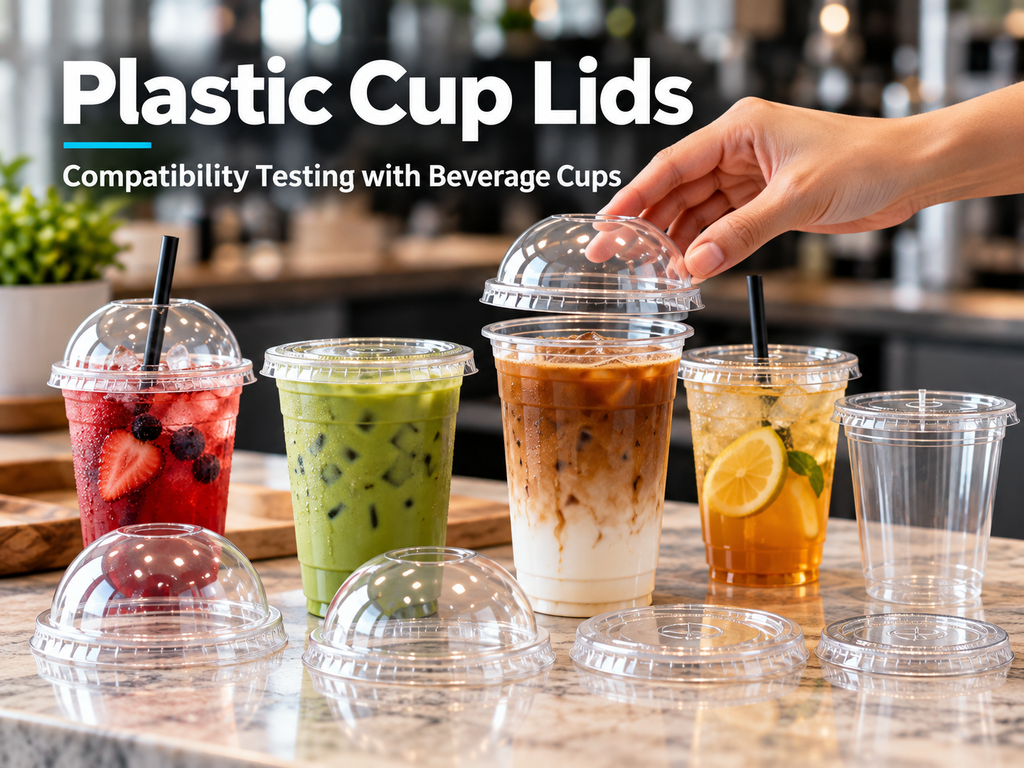
The first mistake buyers make is assuming that similar cup sizes automatically mean compatible lids.
A lid marked for a certain cup diameter may appear suitable.
However, the actual fit depends on the relationship between the lid and the cup rim.
A small difference in design can affect how securely the lid attaches.
Why lid and cup matching matters
A takeaway beverage system usually includes several components:
- Plastic cup
- Plastic lid
- Straw opening or drinking opening
- Beverage type
- Customer handling conditions
Each component needs to work together.
A lid that fits loosely may increase the risk of spills.
A lid that requires excessive pressure to attach may slow down employees during busy service periods.
For businesses serving hundreds of drinks daily, these small problems become operational challenges.
Check compatibility before ordering
Before purchasing plastic lids for cups, buyers should confirm:
| Check Point | Why It Matters |
|---|---|
| Cup rim size | Determines whether the lid fits securely |
| Cup shape | Affects lid attachment |
| Beverage type | Different drinks may require different solutions |
| Existing inventory | Prevents compatibility problems |
| Sample testing | Confirms real-world performance |
A supplier should understand the complete packaging requirement, not just provide a lid based on a measurement.
Golden Sleeve’s packaging approach
Golden Sleeve provides multiple foodservice packaging categories, including plastic lids, paper lids, paper cups, and cold beverage cups.
This allows businesses to discuss different packaging components together instead of managing every item separately.
However, buyers should still verify specific cup and lid combinations before placing larger orders.
A product category match does not automatically mean every combination will fit.
Key takeaway: A good plastic cup lid is not simply the right size. It is the right match for the cup, beverage, and service process.
2. Choosing Plastic Cup Lids for Real Beverage Applications
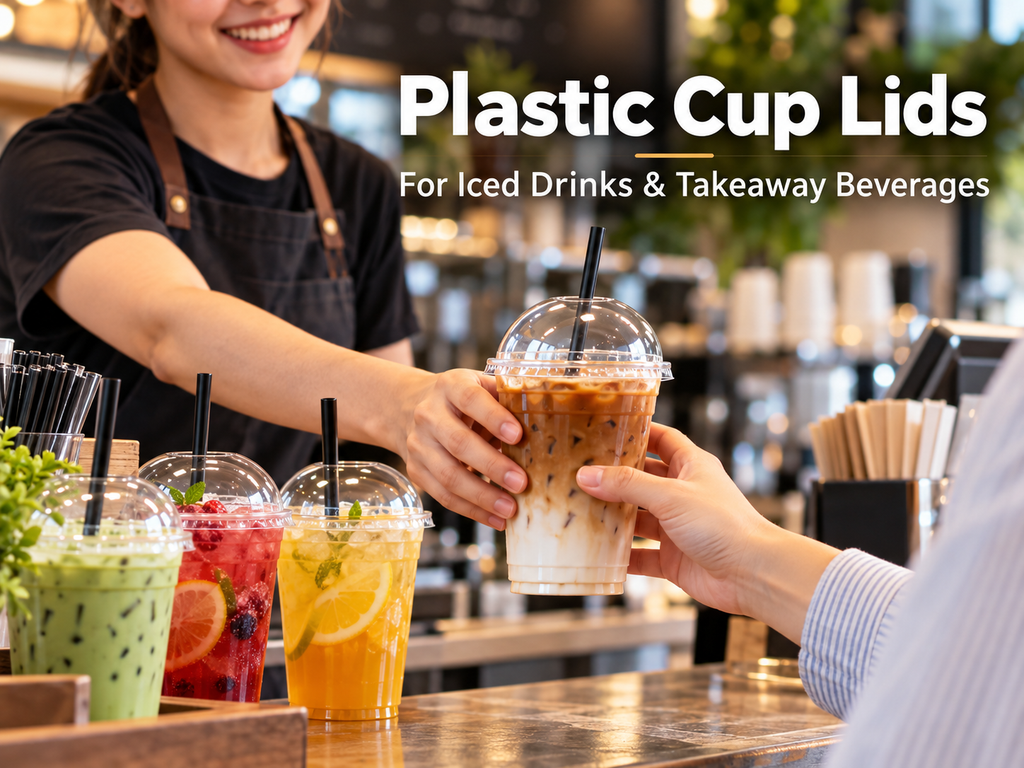
The second mistake is choosing a lid without considering how customers actually use the drink.
A beverage rarely stays still after leaving the counter.
Customers carry drinks:
- Walking outside
- Driving in vehicles
- Taking public transportation
- Moving between meetings
The packaging needs to support these everyday situations.
Different drinks create different requirements
Not every cold beverage has the same packaging needs.
A coffee shop serving iced coffee may have different requirements from a smoothie shop or bubble tea business.
For example:
| Beverage Application | Purchasing Consideration |
|---|---|
| Iced coffee | Secure closure and customer convenience |
| Smoothies | Suitable opening and beverage flow |
| Bubble tea | Compatibility with cup and drink format |
| Juice drinks | Handling stability |
| Fast food beverages | Speed and consistency during service |
The right cold drink cup lids depend on the actual menu and operation.
Customer experience starts before the first sip
A lid is often the first physical interaction customers have after receiving a drink.
If the lid feels unstable, customers may become uncertain about carrying the beverage.
For businesses building a professional brand image, packaging reliability is part of customer satisfaction.
A strong takeaway experience requires:
- Easy employee handling
- Secure attachment
- Consistent performance
- Compatibility with existing cups
Test the complete system
Before approving a large order, businesses should test:
- Filled cups
- Different beverage sizes
- Employee handling speed
- Customer carrying situations
Testing only an empty cup does not always reveal real-world problems.
A practical sample review helps purchasing teams identify issues before committing to thousands of units.
Key takeaway: Plastic cup lids should be evaluated based on customer usage, not only product appearance.
3. Buying Plastic Cup Lids Wholesale: Why Low Prices Can Create Higher Costs
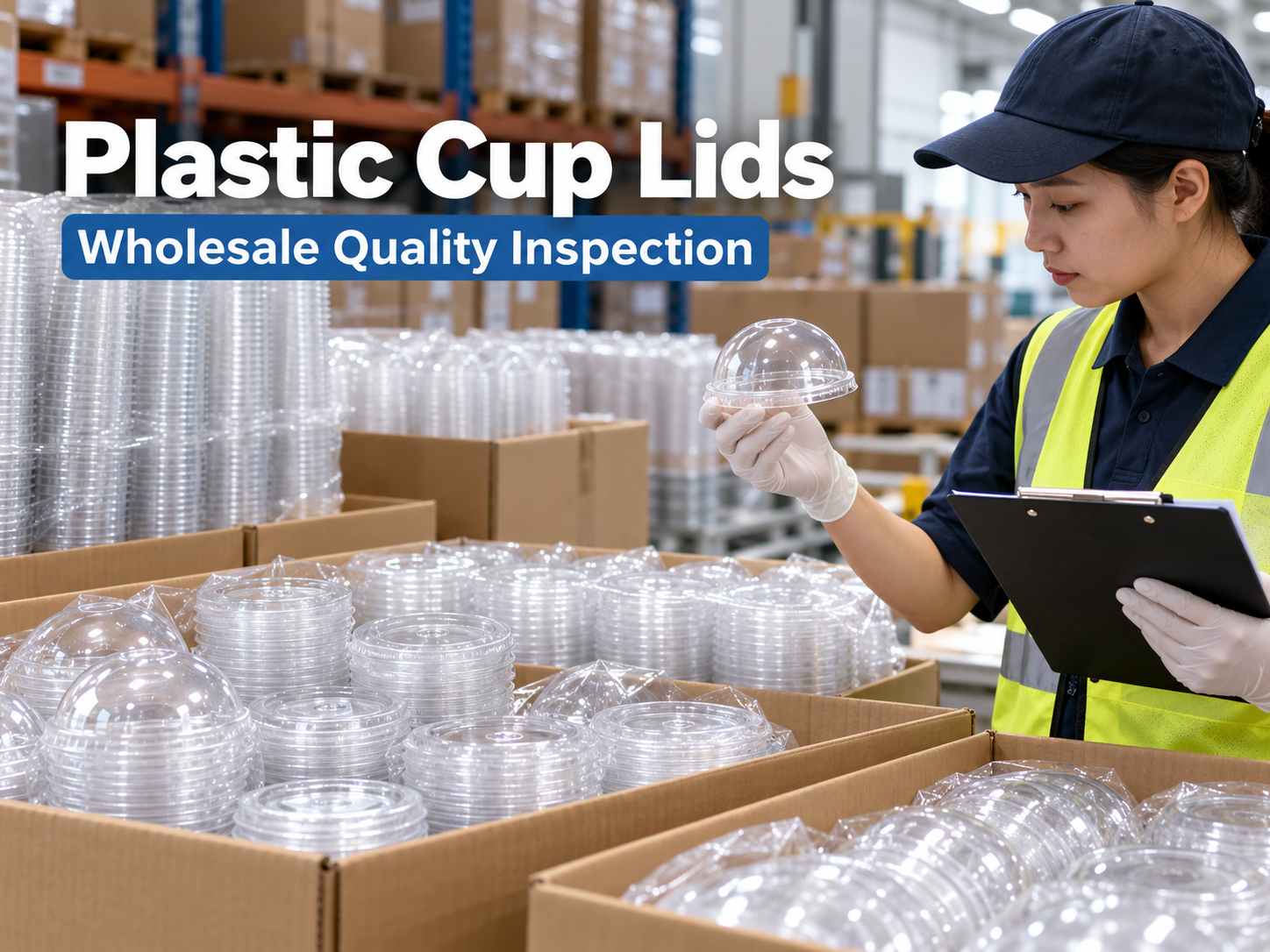
The third mistake is selecting a supplier only because the unit price looks attractive.
For restaurants and beverage businesses, packaging costs are important.
But the lowest price does not always represent the lowest total cost.
The hidden cost of packaging problems
Imagine a beverage chain ordering thousands of plastic cup lids wholesale.
The quotation is competitive.
The shipment arrives.
Employees discover that the lids do not perform exactly as expected with their existing cups.
Now the company must spend additional time managing:
- Product testing
- Supplier communication
- Inventory adjustments
- Replacement planning
The original savings may disappear.
This is why professional buyers evaluate suppliers beyond price.
What wholesale buyers should compare
When purchasing bulk plastic lids, consider:
| Purchasing Factor | Questions to Ask |
|---|---|
| Compatibility | Does the lid match the intended cups? |
| Product consistency | Are future orders produced to the same specifications? |
| Packaging quantity | How are products packed and counted? |
| Delivery terms | Are logistics requirements clear? |
| Supplier support | Can problems be handled efficiently? |
| Sample approval | Is the final product reviewed before bulk production? |
A clear purchasing process reduces unexpected problems.
Why supplier communication matters
Packaging buyers often work with multiple products:
- Cups
- Lids
- Sleeves
- Bags
- Food containers
Managing multiple suppliers can increase communication complexity.
Golden Sleeve provides several foodservice packaging products, allowing customers to discuss related packaging requirements through one supplier relationship.
For businesses purchasing disposable plastic cup lids, this can simplify product discussions.
However, buyers should always confirm product specifications and commercial terms before placing an order.
Build a reliable ordering process
A professional bulk purchasing process should include:
- Define cup and lid requirements.
- Review product samples.
- Confirm specifications.
- Approve the final product.
- Maintain purchasing records.
This approach helps businesses create more predictable future orders.
Key takeaway: The best supplier is not only the one with the lowest price, but the one that helps maintain reliable packaging performance.
Conclusion: Choose Plastic Cup Lids That Protect the Customer Experience
Choosing plastic cup lids is not simply about finding a cover for a beverage cup.
For cafés, restaurants, and beverage distributors, the right lid should support:
- Secure cup compatibility
- Efficient service
- Customer convenience
- Reliable supply
Before placing a bulk order, ask three questions:
- Does this lid fit our actual cups?
- Does it work for our beverage applications?
- Can the supplier provide consistent quality over future orders?
Golden Sleeve supplies foodservice packaging products including plastic lids, paper lids, cups, and sleeves for businesses looking for coordinated packaging solutions.
Whether you operate a coffee shop, beverage chain, or wholesale distribution business, choosing the right plastic cup lids can reduce packaging problems and create a better customer experience.
A lid may seem like a small packaging component, but it protects the final moment between your drink and your customer.