
Disposable coffee cups seem like a small expense—until you start counting how many your café uses every day.
Imagine a busy coffee shop on a Monday morning.
Customers are waiting. Baristas are preparing drinks. Cups, lids, and sleeves are moving quickly across the counter.
Then the problems start.
A cup doesn’t work with the lids already in stock. Employees have to search for different supplies. Another location has too many cups in one size but not enough in another.
None of these issues seems serious on its own. But together, they waste time, create unnecessary costs, and make daily operations harder.
For café owners, restaurant chains, and packaging distributors, buying disposable coffee cups is not just about finding a low price.
It’s about choosing packaging that works for your menu, fits your daily routine, and makes repeat orders easier.
Here are three practical ways to avoid common coffee cup purchasing problems.
Table of Contents
1. Disposable Coffee Cups: Fix Daily Service Problems with the Right Cup

The first problem is simple: many coffee shops choose cups before thinking about how those cups will be used.
A cup might look great in a catalog.
But will it work during your busiest hour?
Start with your actual coffee menu
A small café might serve espresso, cappuccino, and iced coffee. A larger chain might offer several sizes of hot and cold beverages.
Each drink has different packaging needs.
Instead of choosing cups based only on appearance, start by reviewing the beverages you sell most often.
Ask yourself:
- What cup sizes do customers order most?
- Do we need separate cups for hot and cold drinks?
- Which lids are already used in our stores?
- Do customers need sleeves for hot beverages?
- How much space do our cup cartons take up?
These questions help you avoid ordering products that don’t fit your daily operations.
Think about the complete cup setup
The paper cup is only one part of takeaway packaging.
A typical order may require a cup, a matching lid, and a sleeve.
When these items don’t work well together, employees may lose time during service.
For example, a lid that fits one cup size may not fit another cup from a different product line.
That’s why disposable paper coffee cups should be tested with the actual accessories your business uses.
Golden Sleeve lists single-layer paper cups, cup sleeves, paper lids, and plastic lids among its foodservice packaging categories.
This gives buyers a way to discuss related packaging products through one supplier.
However, specific cup-and-lid compatibility should always be confirmed before ordering.
A simple check before buying
Prepare a few drinks using the sample cups, lids, and sleeves.
Have employees handle them during a normal service routine.
Check whether the packaging feels comfortable, whether the lids fit properly, and whether the cup suits the intended beverage.
For hot drinks, confirm that the cup materials are suitable for the intended serving temperature.
For cold drinks, consider moisture exposure and handling.
Smart Fix #1: Choose your disposable coffee cups based on real café operations—not just product photos or advertised prices.
2. Reduce Branding Problems with a Consistent Packaging Plan
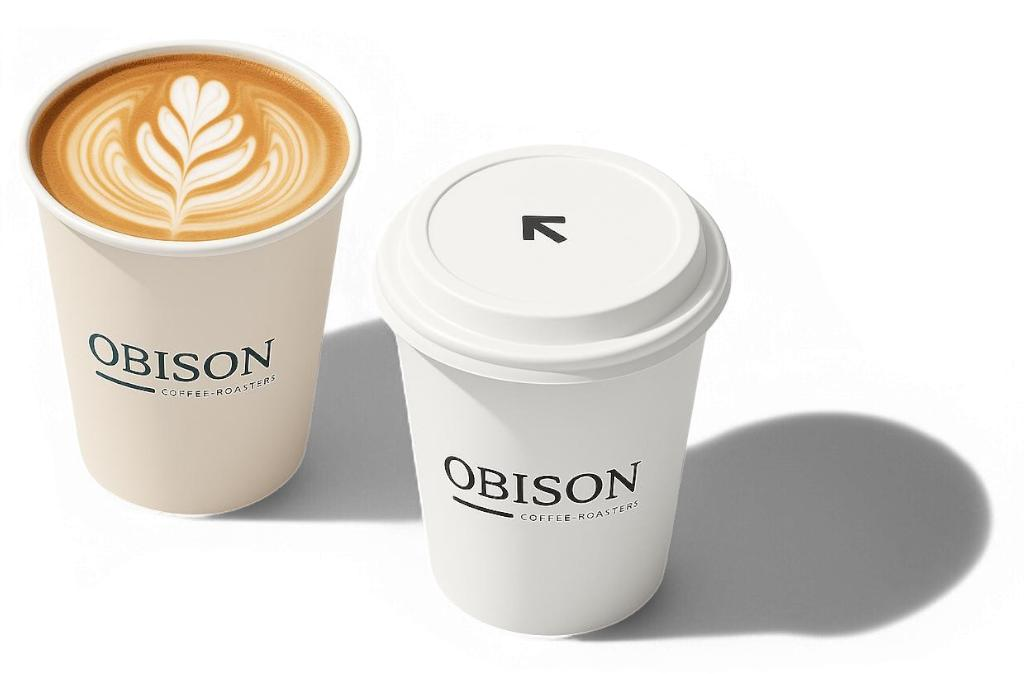
The second problem is inconsistency.
You might have a beautiful logo and a well-designed café, but your takeaway packaging may not always reflect the same brand image.
One store uses a plain cup. Another uses a printed design. A third has different sleeves because the usual packaging is unavailable.
Customers may not notice every small difference.
But for growing coffee chains, consistent packaging helps create a recognizable customer experience.
Your coffee cup is part of your brand
Think about what happens after customers leave your store.
They carry their coffee to work, walk through shopping centers, or take it to meetings.
Your packaging travels with them.
That makes takeaway coffee cups an important part of your brand presentation.
The goal isn’t to create the most complicated design.
A clear logo, consistent colors, and readable artwork can often do more than an overloaded layout.
Keep your packaging details organized
If your business uses printed cups or branded sleeves, keep a simple record of the approved designs.
Include:
- The approved artwork file
- Cup sizes and product references
- Brand colors and print placement
- Approved samples, where applicable
- The latest revision date
This information helps when you reorder packaging or expand to another location.
If custom printing is required, confirm the available options and production specifications with the supplier before committing to an order.
Don’t overlook the customer experience
Branding isn’t only about what a customer sees.
It’s also about how the packaging feels and works.
A clear design on an unsuitable cup still creates a poor experience.
Good café packaging combines visual consistency with practical daily use.
For example, a branded sleeve can provide space for a logo while also serving a functional purpose on a hot beverage cup.
Golden Sleeve’s range includes paper cup sleeves alongside its disposable cup products, allowing businesses to discuss these components together.
Smart Fix #2: Create one clear packaging specification for your café or chain. Keep your cup choices, accessories, and brand requirements consistent across repeat orders.
3. Disposable Coffee Cups Wholesale: Control Costs with Smarter Buying

The third problem is focusing too much on the price per cup.
Of course, price matters.
If you use thousands of cups every week, even a small difference in unit price can affect your packaging budget.
But the lowest quote doesn’t always mean the lowest total purchasing cost.
Look beyond the unit price
Imagine two suppliers offering similar paper coffee cups.
Supplier A gives you a lower price, but important details about the carton quantity, lid compatibility, and delivery terms are unclear.
Supplier B provides a clear quotation with agreed product specifications and packing details.
Which offer is easier to manage?
The answer depends on your business, but a transparent quotation can make budgeting and ordering much simpler.
When comparing disposable coffee cups wholesale, consider the following:
| Purchasing factor | What to check |
|---|---|
| Cup price | Cost per cup at the required order quantity |
| Product specifications | Material, size, and intended application |
| Cup and lid compatibility | Whether approved accessories fit |
| Carton quantity | How many cups are packed per case |
| Delivery terms | Shipping responsibilities and destination |
| Samples | Whether products can be reviewed before ordering |
| Repeat orders | How approved specifications are maintained |
A good purchasing decision considers the complete order, not just the cheapest item.
Avoid ordering the wrong inventory
Another common problem is buying too many cups that don’t match demand.
For example, a café might order large quantities of a less popular size because the unit price is attractive.
But those cartons still take up storage space.
Meanwhile, the most popular sizes may need to be reordered sooner.
Before buying bulk disposable coffee cups, review actual sales patterns and estimate how many cups each location needs.
This is especially useful for growing café chains with several stores.
Work with clear product and delivery information
Golden Sleeve describes its business as combining manufacturing, technology, logistics, and distribution.
Its product categories include single-layer paper cups, sleeves, paper lids, plastic lids, and other foodservice packaging supplies.
For buyers managing several packaging products, discussing these requirements with one supplier can help simplify purchasing conversations.
Still, every bulk order should have clearly approved specifications and commercial terms.
Before making a purchase, confirm the product details, packing quantity, pricing, delivery conditions, and process for checking the received goods.
Don’t forget food-contact requirements
Coffee cups must be suitable for the beverages and conditions in which they will be used.
In the United States, the FDA regulates substances used in food-contact materials.
The FDA’s food packaging guidance explains how food-contact substances are regulated.
Buyers should ask suppliers for relevant product information instead of assuming a cup meets particular requirements based on its appearance or description.
Smart Fix #3: Compare total purchasing costs, keep inventory aligned with demand, and approve specifications before placing large orders.
Conclusion: Make Coffee Cup Purchasing Easier
Buying disposable coffee cups shouldn’t make running your café more complicated.
The right purchasing approach starts with three simple decisions.
First, choose cups that work for the drinks you serve every day.
Second, keep your packaging and branding consistent.
Third, look beyond the unit price and review the full purchasing process.
These steps can help coffee shops, restaurant groups, and packaging distributors avoid common ordering mistakes.
Golden Sleeve offers single-layer paper cups and related foodservice packaging products, including cup sleeves, paper lids, and plastic lids.
Its integrated manufacturing and supply chain business model provides a starting point for buyers who want to discuss several packaging categories together.
Looking for Disposable Coffee Cups for Your Business?
Visit Golden Sleeve to explore its foodservice packaging range.
Before contacting the team, prepare your required cup sizes, expected order quantities, accessory requirements, and delivery destination.
This information will make it easier to discuss suitable products and request an accurate quotation.
Better coffee cup purchasing isn’t about spending the least on every cup. It’s about making everyday café operations simpler and more predictable.