Paper packaging manufacturing turns a purchase specification into products that have to work at a busy counter. For foodservice buyers, the useful question is what to verify between the first sample and the delivered cartons. Golden Sleeve coordinates overseas production with US-based support for specifications, samples, logistics and after-sales issues.

Table of Contents
1. Paper cup forming
Cup forming gives the paper sidewall and base their finished shape. On a custom program, the buyer should review a finished cup in the actual size being ordered. A flat artwork proof can help check the logo and text, while the finished sample shows how the design sits on the curved wall and where it meets the seam.
Test the cup alongside the lid and sleeve you plan to use. Ask your staff to fill, cap and hand off a sample under normal service conditions. Record the component references that work together. That way, a repeat order has an approved combination to follow even if the person placing the order changes.
2. High-speed die cutting in paper packaging manufacturing
Die cutting creates shaped blanks and features that later help a package fold, fit or close. In a paper packaging manufacturing review, inspect the features your staff will actually use, such as tabs, slots or fold lines where applicable. A cut line that looks good on screen may still be awkward when an operator needs to assemble several boxes in quick succession.
Use the supplier’s dieline for the exact format before approving artwork. Keep important graphics clear of cuts and folds using the safe area provided with that dieline. If your program uses multiple sizes, review the artwork placement and finished fit for each one. The same logo size can look different on a shallow carton and a deeper one.
3. Folding and gluing
Folding and gluing bring a flat blank into the shape required for service. For paper containers that use glued seams, examine how the walls stand, how the closure meets and how units stack when empty. Try the sample with the menu item it will hold. A container that works for a dry pastry may behave differently with a dressed salad or a heavier order.

Record any functional observations in the approval notes. Describe the location and effect of an issue, such as a corner that catches when staff separate stacked containers. The factory can act more easily on that observation when you include a photo and identify the sample version.
4. Blow molding for selected components
Golden Sleeve also lists blow molding among its broader manufacturing capabilities. For a paper packaging manufacturing order that includes a molded component, confirm its process and material with the supplier. Where a molded part needs to fit a paper item, review the two components together, using the same part references your purchase order will specify.
How US-based support fits into the order
Before production, Golden Sleeve’s US team can review your requirements and coordinate sampling. Give the team the intended use, target dimensions, artwork version, quantities, case pack and delivery ZIP code. For a change after sample approval, document which version supersedes the earlier one and ask whether another proof or physical sample is needed.
For receiving, agree on the checks your team will make against the approved reference. For qualified orders, Golden Sleeve offers a DDP arrangement with inspection at a local bonded warehouse before the final balance is due. Keep photos of carton labels, affected units and the approved sample handy if an issue needs after-sales review.
For packaging that contacts food, ask which material documentation applies to the intended use. The FDA’s food contact substances resources provide background for that conversation.
Questions to ask before approving production
Which sample should receiving use?
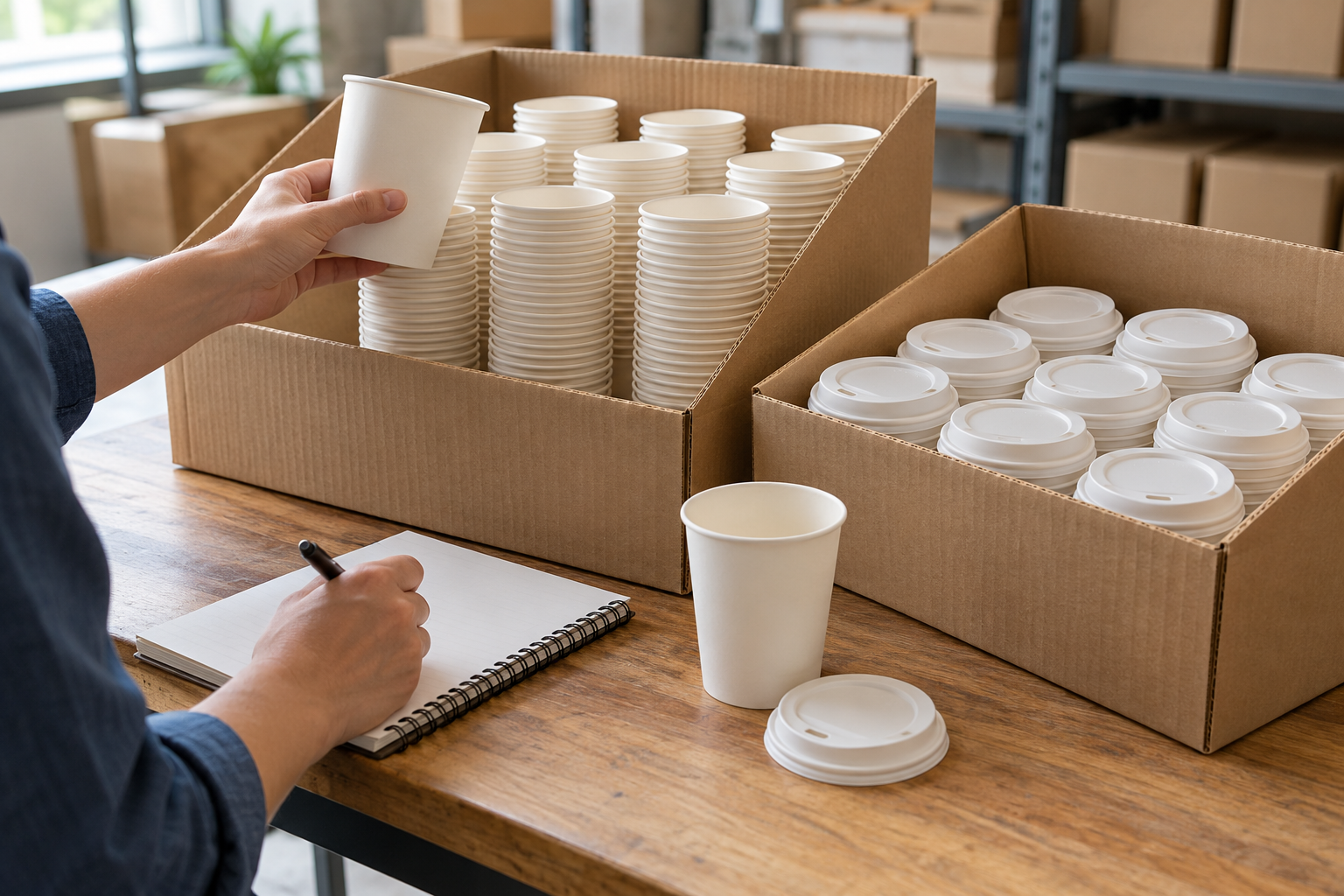
Ask for a reference that matches the size, material and print version on the purchase order. Keep one approved sample with the team that will inspect delivery. If the reference was made without final printing, mark that clearly and keep the approved artwork alongside it. For paper packaging manufacturing programs with several sizes, label each reference with the size and date of approval.
What should happen if the delivered order differs?
Document whether the difference affects appearance, quantity or how the package functions. Photograph an unopened case label and the specific affected items, and record how many cases you examined. Share the evidence and the approved reference with the US support team so it can trace the affected stock and discuss next steps.
Review Golden Sleeve’s production capabilities or send your paper packaging manufacturing specification to discuss samples, approval and delivery.