
A lid that clicks onto one empty cup has not yet earned a bulk order. When I review a paper cup lid leak test with a buyer, I want to know which cup was used, where the liquid appeared and what happened during the handoff. At Golden Sleeve, I can discuss paper lids and PP/PS alternatives, but I would approve the selected combination through a documented sample review—not a blanket promise that a nominal size fits everything. Here is the practical test brief I would prepare before comparing quotations.
Planning an order? Send your product, quantity and destination for a sample or quotation review.
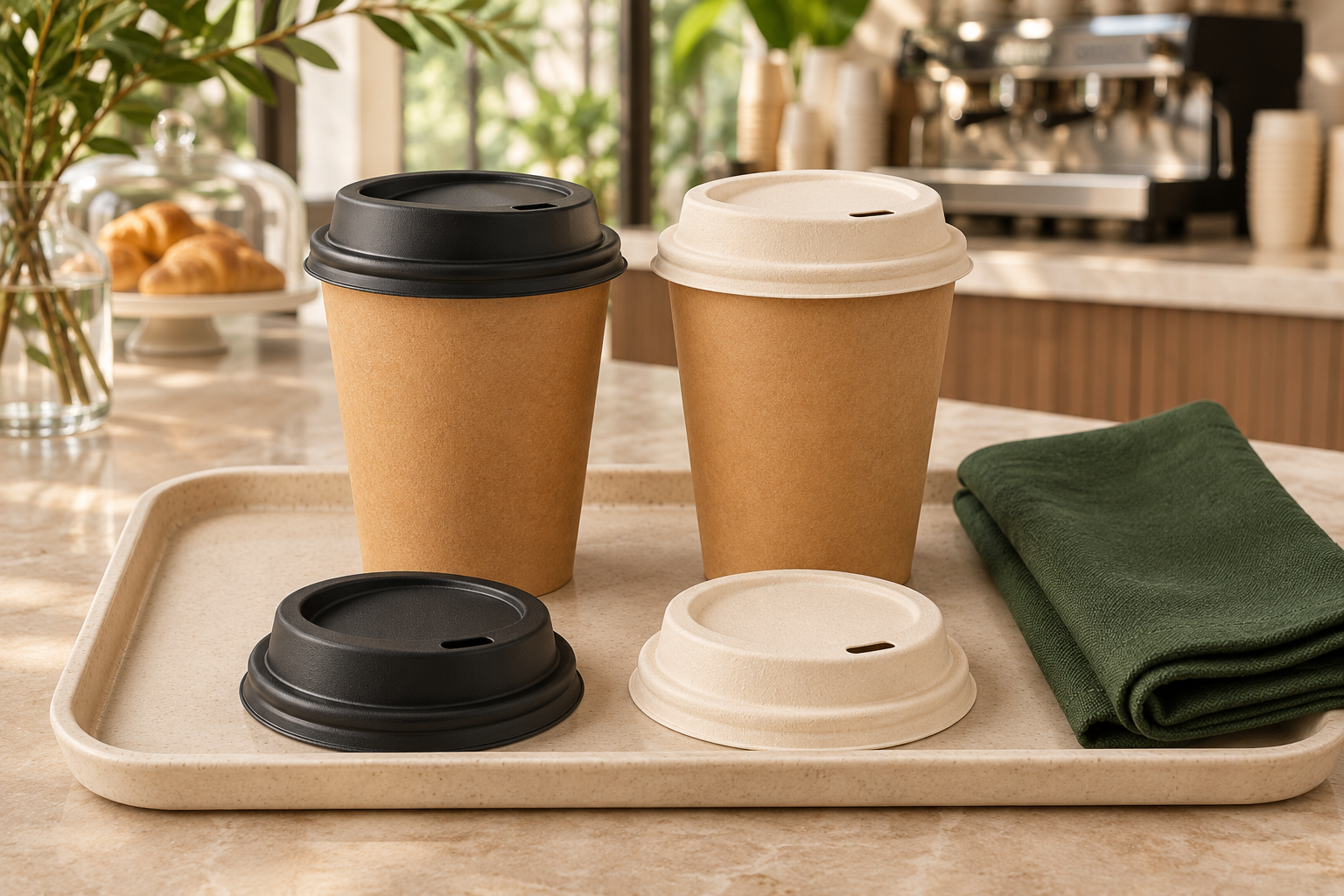
In this guide
1. Identify the exact paper cup lid leak test samples
Label the cup and lid with the manufacturer, product code and batch information where available. Include each cup model used across your stores. A nominal capacity such as 12 oz describes the drink volume, while a nominal lid diameter does not fully describe the rim connection.
Our PP/PS cup lid page lists a 90 mm size. Our paper lids are listed for common 12–20 oz coffee cup applications. I would still review samples of your precise pairing before approving either option.
2. Agree what the paper cup lid leak test is checking
Write down the intended beverage, normal fill level, holding time and carrying method. Ask the supplier to confirm the product’s intended conditions before testing it. Use your established hot-drink safety procedures and a suitable controlled work area.
During a paper cup lid leak test, a room-temperature water check can help identify an obvious seating problem, but it does not prove performance with every hot drink or service routine. Plan any further evaluation against the agreed use conditions. Do not treat this buying checklist as a recognized laboratory standard or certification.
| Test record field | What I would write down |
|---|---|
| Sample identity | Cup code, lid code and available batch reference |
| Use conditions | Liquid, fill level, temperature and holding period |
| Handling | Application method, carrier and pickup route |
| Observed issue | Rim seepage, opening splash or cup-body leakage |
| Outcome | Number checked, number affected and next action |
3. Separate rim leakage from the drinking opening
Before blaming the cup-lid connection, identify where the liquid appeared. A sip opening is designed to let a customer drink, and a vent may also be present. Liquid leaving those openings during an inappropriate inversion is different from seepage at a normally seated rim.
I would keep the lid orientation and service movement consistent between samples. Photograph the affected point and note whether the lid remained fully seated. Avoid describing every drop as the same defect when the location and cause have not been established.
Our lid selection guide provides the broader buying context. A paper cup lid leak test adds specific evidence for the cup, lid and routine you are considering.
4. Observe application before running the handling trial
Ask the staff who normally prepare drinks to apply the lid using their ordinary procedure. Check the edge around the cup for uneven seating, distortion or a section that has not engaged. Record whether the same difficulty occurs with several samples.
The PP/PS option on our site includes an internal reinforcing rib intended to support the locking fit when the cup rim flexes. That feature is a design description. I would still check the actual pairing and avoid treating it as a guarantee against every handling problem.
For the paper cup lid leak test, keep untested cup substitutions separate. Mixing cup models midway through a comparison can make a fit issue look like inconsistent lid quality when the components have actually changed.
5. Record holding and carrying observations consistently
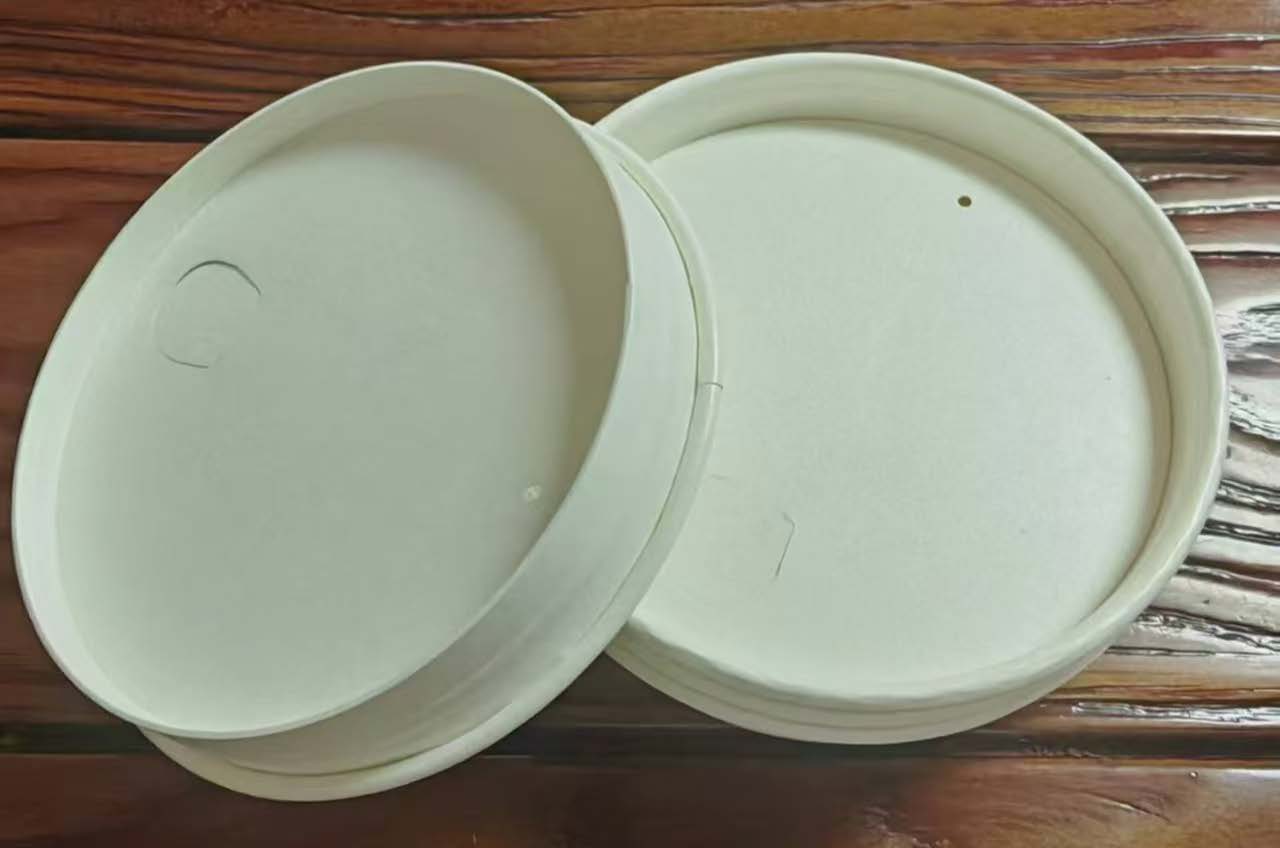
Check the sample after application, after the agreed holding period and after a representative carry using the usual carrier. Use the same sequence when comparing another lid. Note any movement at the edge and whether the cup itself changes shape.
Use a sample count agreed with the supplier or your quality team. One successful cup is useful feedback, but it does not establish performance across a whole production batch. Record the number of combinations tested and the number showing each issue; do not invent a universal acceptable failure rate.
If you observe liquid, also inspect the cup seam and base. A body leak calls for a different review from a loose lid. A good paper cup lid leak test report helps the supplier investigate the right component.
6. Ask for a response to a failed paper cup lid leak test
Send the cup and lid codes, photographs, conditions and observations together. Ask the supplier which additional samples or measurements are needed. If a change is proposed, identify the revised reference clearly and repeat the relevant comparison before approval.
I would not accept an unexplained substitution halfway through a purchasing decision. A different material, rim design or source may require a new fit review. Keep the original and revised results so your team understands what was changed.
When comparing paper and plastic lid options, use the same cup and service brief wherever the proposed products permit it. The material label alone does not decide which pairing works better.
7. Retain the approved pairing for reorders
Keep the approved cup, lid, specification and paper cup lid leak test notes as one reference set. Add carton labels or batch information when available. Tell your purchasing team which combination is approved so similar-looking stock is not substituted unnoticed.
For a reorder, review the incoming references against that file. If the cup supplier or product specification changes, revisit compatibility. This is especially useful for distributors and multi-site operators whose customers may buy cups from several sources.
A clear paper cup lid leak test record turns a subjective statement such as “this lid feels better” into information the supplier can act on. It also makes your next quote request more precise.
Buyer questions
Does a paper cup lid leak test prove the lid is completely leakproof?
No. The result applies to the identified samples and stated conditions. Openings, cup compatibility and service handling all need consideration.
Should I test lids on every cup model?
I would approve each intended pairing. A result from one model should not automatically be transferred to a different rim or cup supplier.
What should I send when reporting a leaking sample?
Send the cup and lid codes, liquid and fill conditions, holding time, handling sequence, number affected and clear photos of the location.
Send us a brief we can quote against
Send your current cup model, lid reference, beverage use and estimated lid quantity. Tell us what issue you want the samples to resolve and include any existing test notes. We can review the proposed products and sample requirements before you commit to a bulk order.
Request a specification review and written quotation, or email bill@golden-sleeve.com. For international projects, include the destination country, postal code or port and proposed delivery term. We will review the available product and shipping options for your project. Minimum quantities, sample availability, lead time, delivery scope and final pricing require written confirmation.
Technical reading: Xinmei’s cup-and-lid fit record guidance and Fude’s cup-lid compatibility overview. These independent references explain buying methods; they do not establish Golden Sleeve specifications or commercial terms.