
Cold cups are an essential part of beverage packaging for coffee shops, juice bars, restaurants, takeaway businesses, and foodservice distributors. Whether serving iced coffee, cold tea, lemonade, or other chilled beverages, choosing the right cups can help businesses maintain consistent service and improve the customer experience.
However, not all cold cups are designed for the same applications. Differences in materials, cup construction, dimensions, lid compatibility, and moisture resistance can affect their performance.
For businesses purchasing disposable cold cups in bulk, understanding these factors is important before placing an order.
In this guide, we explore seven essential considerations when choosing cold cups for your beverage business, including material selection, sizes, quality, customization, and wholesale purchasing.
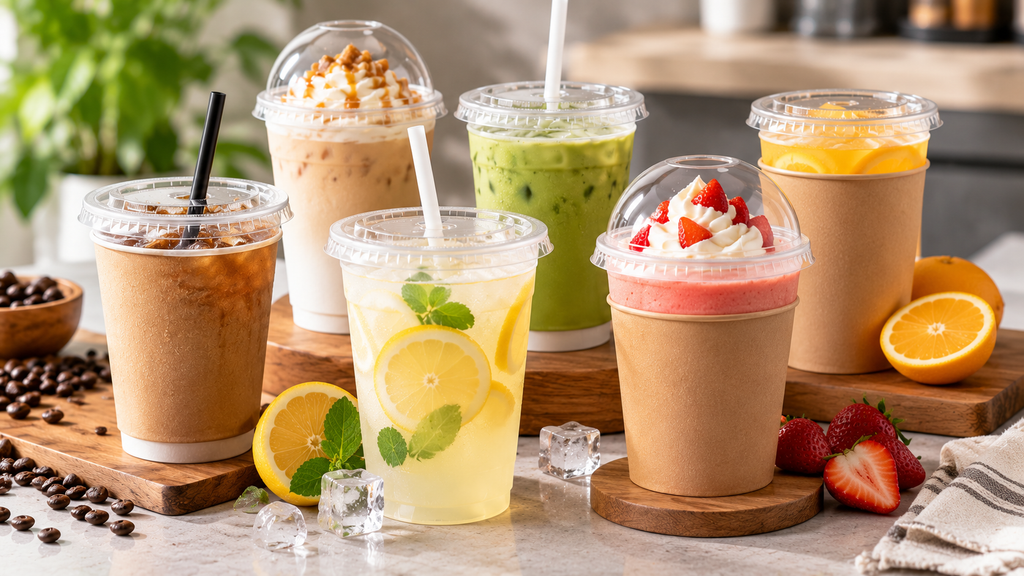
1. Understand the Different Types of Cold Cups
The first step in selecting cold cups is understanding the available product types.
Different beverage businesses may require different materials and constructions depending on their menus, packaging preferences, and customer requirements.
Paper Cold Cups
Paper cold cups are commonly used for chilled beverages such as iced coffee, cold tea, and other takeaway drinks.
Unlike paper cups intended specifically for hot beverages, paper cold cups may require moisture-resistant barriers to help manage condensation and liquid exposure.
Golden Sleeve offers single-wall cold paper cups with double-sided moisture protection as part of its foodservice packaging range.
These cups can be considered by businesses seeking paper-based packaging for cold beverages.
Plastic Cold Cups
Plastic cold cups are also commonly used for chilled beverages, particularly when product visibility is important.
Depending on the product, plastic cups may be manufactured using different materials and constructions.
However, businesses should confirm material specifications, intended use, and product availability with their suppliers.
Which Type Should You Choose?
The right choice depends on several factors:
- Beverage type and serving temperature
- Packaging appearance
- Material requirements
- Moisture resistance
- Lid compatibility
- Customization needs
- Purchasing budget
Buying Tip: Select cold cups according to your actual beverage applications rather than choosing solely based on price or appearance.
2. Evaluate Materials and Moisture Resistance
Material selection is one of the most important considerations when purchasing disposable cold cups.
Cold beverages create different packaging conditions from hot drinks, especially when condensation forms on the outside of the cup.
Why Moisture Resistance Matters
When cold drinks are served in warm or humid environments, condensation may accumulate on the cup surface.
For paper cold cups, the material and barrier construction can affect how the cup responds to moisture.
A suitable cold beverage cup should be designed for the intended serving conditions.
Double-Sided Moisture Protection
Golden Sleeve’s single-wall cold paper cups feature double-sided moisture protection.
This construction is intended to support cold beverage applications where moisture resistance is important.
When comparing paper cold cups, buyers should confirm:
- Paper material specifications
- Inner and outer barrier construction
- Intended beverage applications
- Expected serving conditions
- Relevant product documentation
Consider Food-Contact Requirements
Cold cups should be suitable for their intended contact with beverages.
For businesses purchasing packaging for the U.S. market, the U.S. Food and Drug Administration provides information about food packaging and substances that come into contact with food.
Buyers should request relevant documentation from suppliers to evaluate the selected products and their intended applications.
Buying Tip: Ask your supplier to explain the cup’s material and moisture-resistant construction before approving a bulk order.
3. Choose the Right Cold Cup Sizes
Choosing the correct cup size is important for beverage presentation, portion control, and packaging consistency.
Coffee shops, juice bars, and restaurant chains often offer different drink sizes to accommodate customer preferences.
Common Cold Drink Cup Capacities
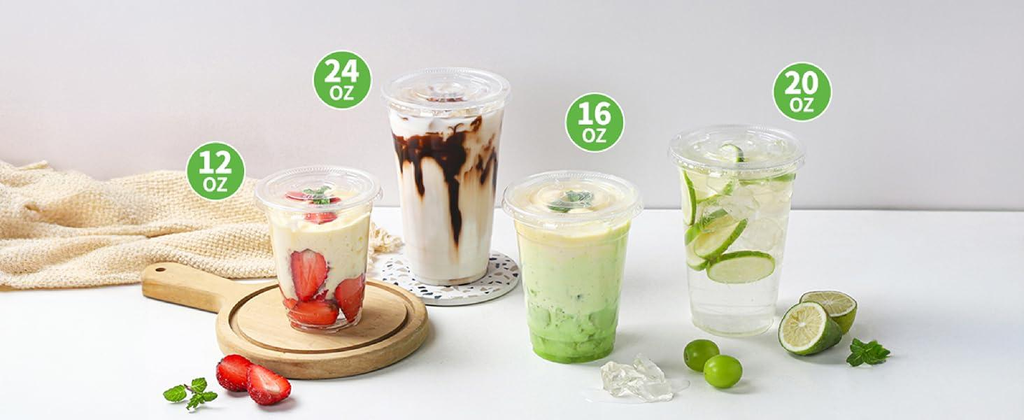
Common beverage cup capacities include:
- 8 oz for smaller servings
- 12 oz for regular-sized drinks
- 16 oz for larger iced beverages
- 20 oz for large takeaway drinks
These are general industry examples. Available capacities and dimensions vary by supplier and product.
Why Cup Dimensions Matter
Cup capacity is only one part of the specification.
Two cups with the same nominal capacity may have different shapes, heights, and rim diameters.
These differences can affect:
- Beverage presentation
- Lid compatibility
- Packaging storage
- Cup holder compatibility
- Shipping and case-pack arrangements
Confirm Specifications Before Ordering
When sourcing cold cups wholesale, request detailed specifications for each required cup size.
If your business uses several capacities, make sure the selected cups and accessories are coordinated.
Buying Tip: Confirm the cup’s actual dimensions and rim diameter instead of relying only on the stated ounce capacity.
4. Check Cold Cup and Lid Compatibility
Lid compatibility is an important part of choosing cold cups for takeaway beverage service.
A suitable lid should match the cup’s rim dimensions and intended application.
Common Lid Options
Depending on the product and beverage, cold cups may be paired with different lid designs.
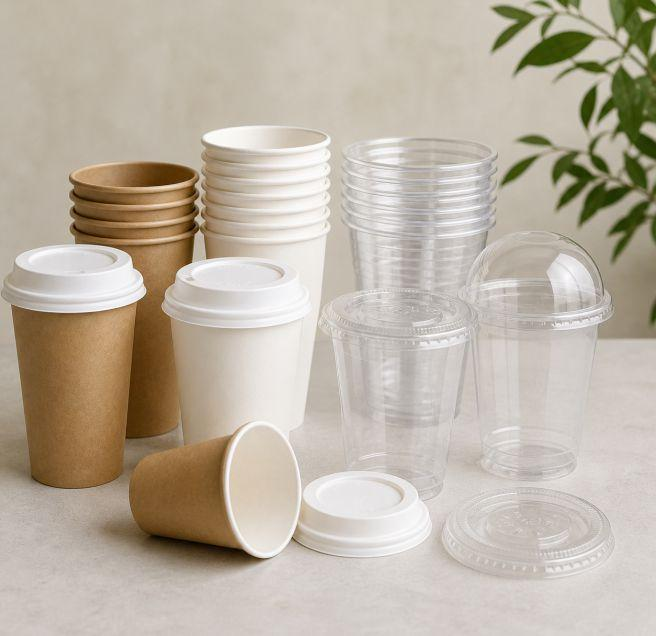
Flat Lids
Flat lids have a low-profile design and may include an opening for a straw or another drinking arrangement.
Dome Lids
Dome lids provide additional space above the cup rim and may be suitable for certain drinks with toppings or whipped cream.
Direct-Drinking Lids
Some lids are designed with an opening that allows customers to drink directly from the cup.
Why Compatibility Is Important
A poorly matched lid may be difficult to attach or may come loose during handling.
For takeaway businesses, this can create inconvenience for staff and customers.
Before ordering, confirm:
- Cup rim diameter
- Lid dimensions
- Lid attachment design
- Intended beverage application
- Compatibility with the selected cup
Golden Sleeve supplies lid products alongside its paper packaging range, allowing buyers to discuss related packaging requirements.
However, the compatibility of individual cup-and-lid combinations should always be confirmed before ordering.
Buying Tip: Request cup and lid samples and test them together under normal serving conditions before approving a large order.
5. Review Product Quality and Performance
Product quality is especially important when purchasing cold cups in large quantities.
Businesses need cups that meet agreed specifications and provide consistent performance during everyday beverage service.
Important Quality Considerations
When evaluating cold cups, consider the following:
Cup Construction
Check that the cup has the appropriate construction for the intended beverage application.
Moisture Resistance
For paper cold cups, evaluate whether the material and barrier construction meet the expected serving conditions.
Cup Dimensions
Confirm that the dimensions are consistent with the approved specifications.
Printing Quality
If the cups are customized, check logo placement, artwork alignment, and printing appearance.
Packaging Condition
Verify that the cups are packed according to the agreed quantities and packaging requirements.
Why Sample Approval Matters
Samples allow buyers to evaluate the product before placing a larger order.
For cold paper cups, testing under actual beverage conditions can help identify potential issues involving moisture exposure, cup handling, or lid compatibility.
Businesses purchasing customized cold cups should also review artwork and printing samples where available.
Buying Tip: Keep an approved sample and written product specifications as references for future orders.
6. Consider Custom Cold Cups for Brand Packaging
Custom cold cups can help coffee shops, beverage brands, and restaurant chains create a consistent visual identity.
For takeaway businesses, beverage packaging is often visible to customers both inside and outside the store.
Adding a company logo or branded artwork to the cup can support brand recognition.
Benefits of Custom Cold Cups
Brand Visibility
Printed cups can display your logo and brand identity during takeaway service.
Consistent Packaging
Customized cups can help businesses maintain a coordinated appearance across different beverage sizes.
Marketing Opportunities
Cup designs may incorporate approved promotional artwork, seasonal branding, or other marketing messages.
Prepare Your Customization Requirements
Before requesting custom cold cups, prepare:
- Company logo or artwork
- Required cup sizes
- Preferred colors
- Material specifications
- Estimated order quantities
- Packaging requirements
- Delivery destination
Golden Sleeve supports customized paper packaging requirements, including discussions about product specifications, artwork, and sampling.
Businesses can contact the company to confirm available customization options for the selected cold paper cups.
Coordinate Cups and Lids
If your business also requires lids, confirm the compatibility of the selected products before finalizing your packaging design.
Buying Tip: Approve the product specifications and artwork before bulk production begins.
7. Choose a Reliable Cold Cups Wholesale Supplier
Selecting a reliable supplier is an important part of purchasing cold cups wholesale.
For coffee shops, restaurant chains, and packaging distributors, a suitable supplier should be able to communicate product specifications, discuss customization requirements, and explain purchasing and delivery arrangements.
Evaluate Product Capabilities
Before choosing a supplier, ask about:
- Available cold cup types
- Material and barrier specifications
- Cup sizes and dimensions
- Compatible lid options
- Custom printing requirements
- Sampling arrangements
- Packaging configurations
Compare Total Purchasing Costs
When evaluating quotations, consider more than the unit price.
The overall purchasing cost may depend on:
- Cup material and construction
- Order quantity
- Printing requirements
- Lid requirements
- Packaging configuration
- Transportation and delivery terms
A detailed quotation can help buyers compare suppliers on a consistent basis.
Confirm Quality and Delivery Arrangements
Before placing a bulk order, clarify the sampling process, inspection arrangements, delivery destination, and payment terms.
For international purchasing, clear communication about logistics responsibilities is particularly important.
Why Consider Golden Sleeve?
Golden Sleeve brings together manufacturing, technology, logistics, and distribution capabilities for foodservice packaging customers.
Its product range includes paper cups, coffee cup sleeves, plastic lids, paper lids, food containers, and other packaging products.
For businesses sourcing cold paper cups, Golden Sleeve can discuss product specifications, customization requirements, and related packaging needs.
This allows buyers to coordinate several packaging requirements through one supplier.
Buying Tip: Choose a supplier that provides clear product specifications, supports sample confirmation, and explains purchasing terms before you commit to a bulk order.
Frequently Asked Questions About Cold Cups
1. What are cold cups used for?
Cold cups are designed for serving chilled beverages such as iced coffee, cold tea, lemonade, and other cold drinks. The appropriate product depends on the beverage and intended serving conditions.
2. What is the difference between paper cold cups and plastic cold cups?
Paper cold cups use paper-based construction with suitable barriers, while plastic cold cups use plastic materials. The two types differ in appearance, construction, and product specifications.
3. Can paper cold cups handle condensation?
Paper cold cups designed with suitable moisture-resistant barriers can help manage condensation exposure. Buyers should confirm the product’s construction and performance requirements with the supplier.
4. What sizes are available for cold cups?
Common beverage cup capacities include 8 oz, 12 oz, 16 oz, and 20 oz. Available sizes vary by product, so buyers should confirm the supplier’s actual specifications.
5. Can I order custom cold cups with my logo?
Customization options depend on the selected product and supplier capabilities. Golden Sleeve supports customized paper packaging projects, and buyers can contact the team to discuss their artwork and requirements.
6. How do I choose lids for cold cups?
Check the cup rim diameter, lid dimensions, attachment design, and intended beverage application. Testing samples together can help verify compatibility.
7. What should I check before buying cold cups in bulk?
Confirm the material, cup construction, dimensions, lid compatibility, customization requirements, quality specifications, order quantity, and delivery terms.
Conclusion: Choose the Right Cold Cups for Your Business
Choosing cold cups involves more than comparing prices or selecting a particular appearance.
Businesses should evaluate materials, moisture resistance, cup sizes, lid compatibility, product quality, customization options, and wholesale purchasing requirements.
For coffee shops, juice bars, restaurant chains, and packaging distributors, selecting suitable cold beverage packaging can help maintain consistent service and simplify purchasing.
Golden Sleeve offers cold paper cups and related foodservice packaging products supported by manufacturing and logistics coordination.
Whether you are planning a new beverage packaging program or purchasing cold cups in bulk, Golden Sleeve can discuss your product specifications and sourcing requirements.
Looking for Cold Cups Wholesale? Request a Quote Today!
Are you searching for cold paper cups for your coffee shop, restaurant chain, or foodservice packaging business?
Golden Sleeve can help you discuss:
- Cold paper cup specifications
- Required sizes and quantities
- Compatible lid options
- Custom printing requirements
- Packaging and delivery arrangements
Contact Golden Sleeve today to discuss your cold cups requirements and request a quotation.
Website: https://golden-sleeve.com/
Contact: https://golden-sleeve.com/contact/