Custom paper bowls from Golden Sleeve give salad bars and fresh meal operators a round, stackable format with exterior printing available. The range comes in 17, 34 and 51 oz. Its core advantages are sturdy construction, stackable staging and precisely formed rims intended to support secure transport with the appropriate closure. Request bowl samples and a bulk quote with your portions, required sizes and delivery ZIP code.
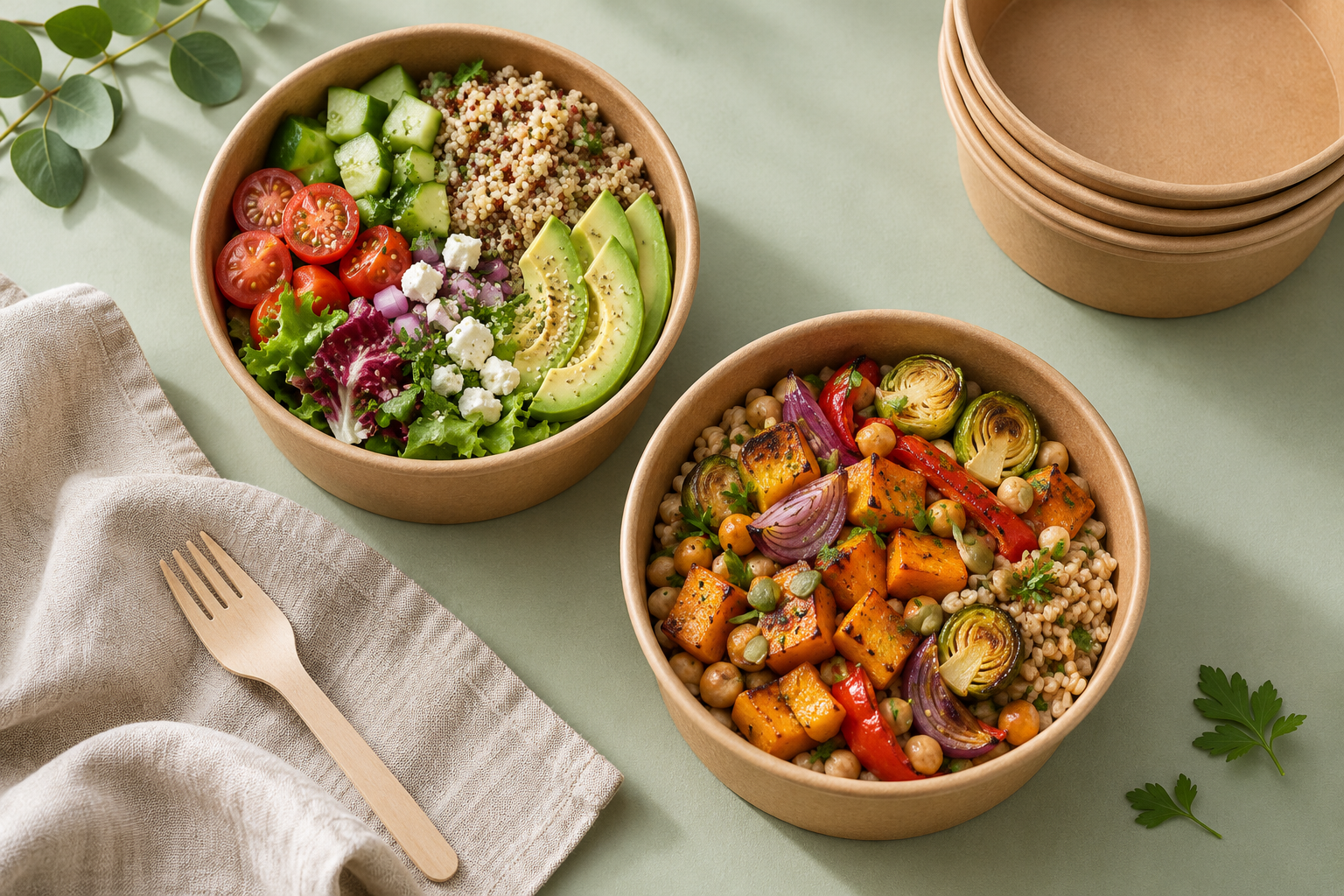
Table of Contents
1. Select custom paper bowls using real portions
A salad’s volume depends on its ingredients and how it is assembled. Fill samples with the recipe as sold, including toppings and any separately packed items. Compare the space under the closure and the appearance when the customer opens the bowl.
Golden Sleeve lists the three capacities on its round paper bowl page. Assign a reference to each menu portion after the trial. If a location offers extra toppings, test that option too so staff know which size to select.
2. Use stacking to organize the assembly counter
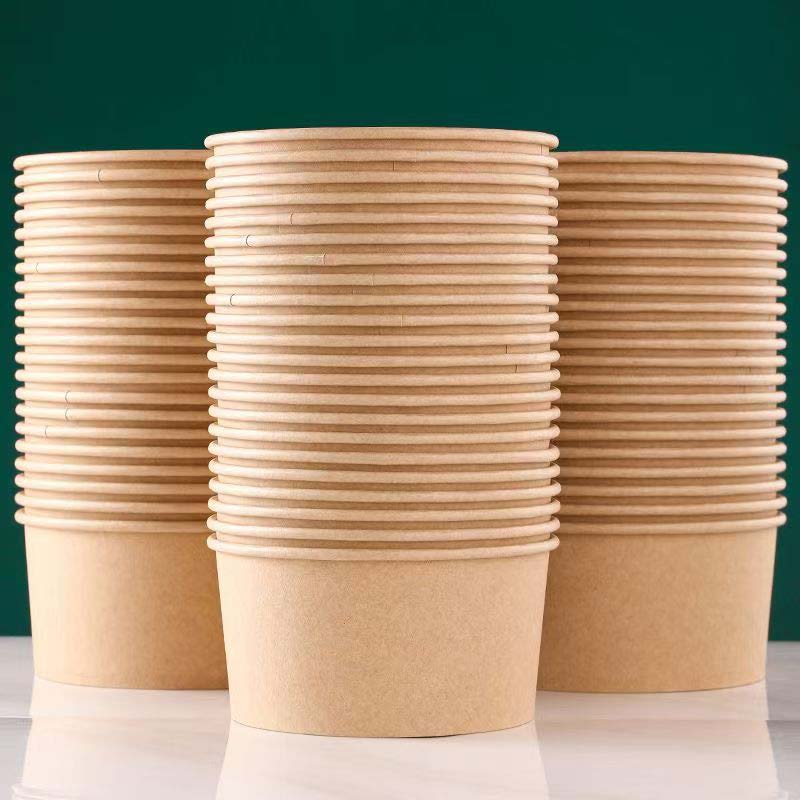
Stage an empty sample stack at the station where staff build meals. Ask an employee to separate one bowl while the neighboring area holds ingredients and utensils. Check that replenishing the stack fits the normal movement around the line.
For custom paper bowls used in several capacities, mark a counter position for each size. A clear arrangement makes the approved format easier to select during a rush. Keep the matching closure reference visible alongside the bowl so new staff can follow the same setup.
3. Review the rim and closure as one combination
Golden Sleeve identifies precise rims as a feature of the round bowl range. Ask which closure is proposed for the specific bowl and request both as a sample set. Fit it around the circumference after filling the bowl to the usual level.
Use the meal’s actual ingredients when reviewing the complete assembly. Check the rim for trapped food and make sure staff can close the package consistently. Describe the menu item and serving conditions to the supplier if it includes significant liquid or needs a different handling routine.
4. Make the printed design visible after packing
Ask for size-specific dielines for custom paper bowls. Review the logo on the curved exterior and inspect its position after filling and closing. If staff apply an order label, allocate an area that leaves the main branding legible.
For a shared restaurant brand, save a separate approved artwork file for each capacity. Keep the proof, bowl reference and approval date together. This gives purchasing a clear record when another store joins the program or a repeat order needs the same print.
5. Forecast cases from the menu mix
The website lists the 17 and 34 oz bowls on a 600-piece basis and the 51 oz format on a 300-piece basis. Confirm the pack quantities on the final quote. Estimate demand for each size separately from your portion sales.
When ordering custom paper bowls, include closures as a distinct line and confirm whether they are supplied separately. Provide the destination ZIP codes, target delivery date and expected repeat volume so the team can review the whole program.
Request salad bar bowl samples
Send the menu portions, candidate sizes and print requirements to Golden Sleeve. Include your proposed packing setup if the order will be collected or delivered. Discuss custom paper bowls samples and pricing with the US team before approving the bulk specification.
Find the Golden Sleeve office in San Mateo, California on Google Maps.