
Coated cold paper cups from Golden Sleeve have a single-wall construction with a moisture-resistant coating on both sides. The inside faces the drink, while the outside faces condensation that can form on a chilled cup. The main advantage is resistance to softening during cold beverage service. The range comes in 12, 16 and 20 oz, with custom exterior printing available.
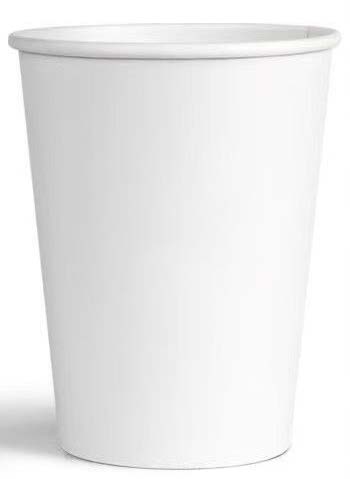
Table of Contents
1. Check coated cold paper cups at the point of handoff
A cup that feels firm immediately after filling can feel different after sitting at pickup. Make the drink with the usual amount of ice, fit the intended lid and let it sit for a typical wait. Then lift it as a customer would. Assess the sidewall and the bottom edge, where moisture can collect when the cup rests on a counter.
Run the same check with two drinks that have different service routines. An iced coffee served as soon as it is poured and a fruit tea staged for delivery may spend different amounts of time at the counter. Keep the recipes and wait times with the trial notes so staff can repeat the comparison.
2. Assess the inside and outside separately
The inside coating faces ice and liquid. After a representative wait, empty one sample and look at the inner wall and base. For the outside, check whether the sidewall still feels firm where staff grip it. A quick note on the location of any soft spots is more useful than a general description of the whole cup.
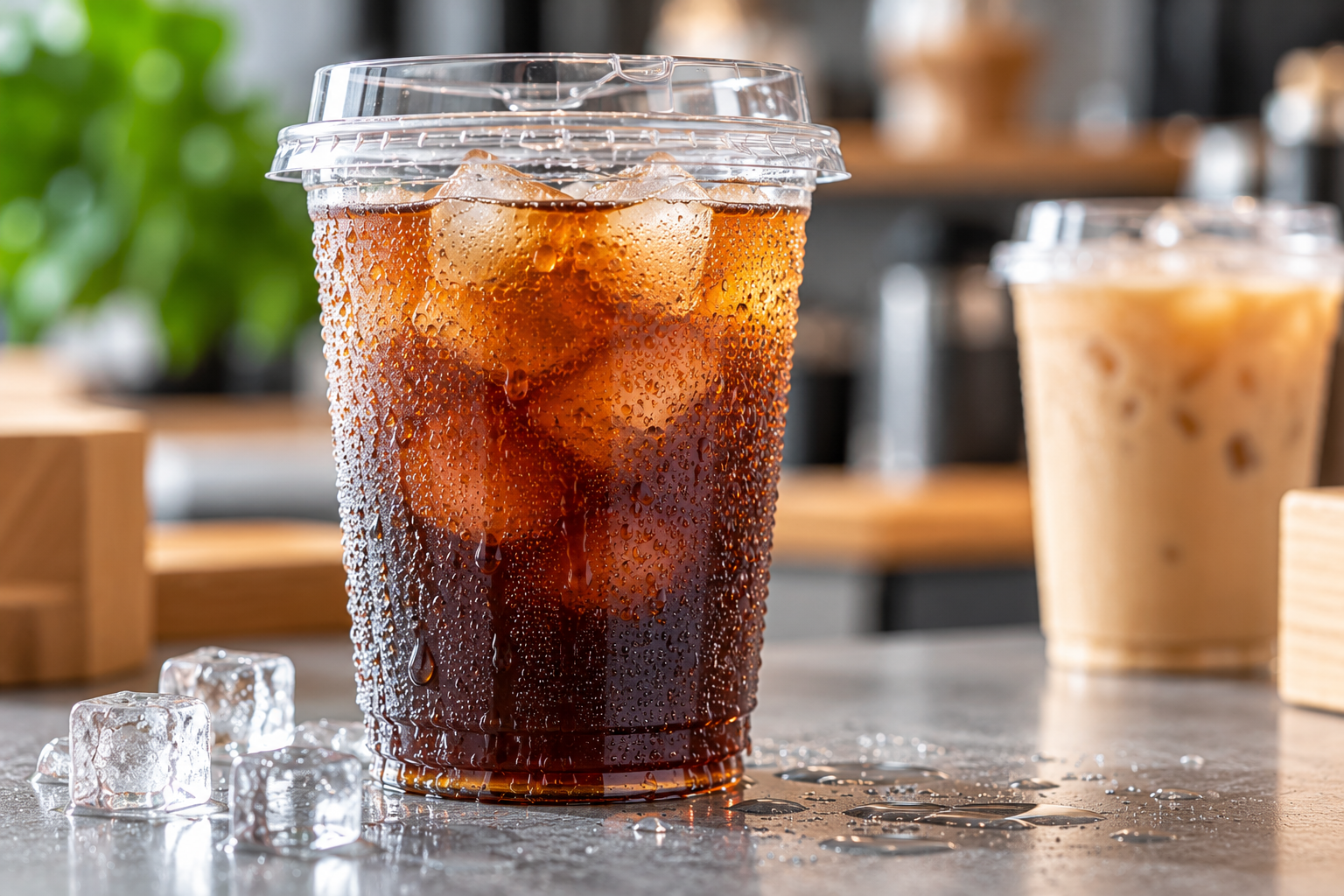
Condensation can still appear on coated cold paper cups. During a trial, distinguish droplets on the outside from liquid coming from a closure or seam. Mark the fill level, lid reference and elapsed time. This makes it easier to investigate an issue before placing a larger order.
3. Match the capacity to the finished drink
Start with the menu recipe and the amount of ice that staff actually use. Fill the sample and check the space left at the rim. Drinks with toppings or foam may need different headroom even when they use the same volume of liquid.
Golden Sleeve lists 12, 16 and 20 oz on its cold cup product page. The listed case pack is 1,000 cups for 12 and 16 oz and 500 for 20 oz. Convert estimated beverage sales to cases for each size so your quote and stock counts use the same quantities.
4. Confirm lid and carrier fit
Test the exact lid on each coated cold paper cups sample you plan to order. Record the cup and lid references as a pair. Cup capacity helps with menu planning, but the rim dimensions and closure design determine which lid should be sampled.
Place two filled samples in the carrier you use for multiple drinks. Check whether the cups stand upright and can be removed without disturbing the neighboring drink. If staff use two types of lids at the same station, label their storage bins by the approved cup references.

5. Review exterior printing on a cold sample
For branded service, examine the logo on a formed cup with the lid fitted. Check its orientation at pickup and leave enough room for the order label where one is used. Golden Sleeve offers custom exterior printing, so ask for the artwork layout for each capacity you choose.
For coated cold paper cups, request samples with your capacity mix, estimated order volume and the drink types on your menu. Include the delivery ZIP code and any lid or artwork requirements when you contact Golden Sleeve.
Find the US office on Google Maps.