
For bubble tea shops, iced coffee brands, juice bars, and takeaway beverage businesses, cold drinks are an important part of everyday service.
Customers expect their beverages to be refreshing, easy to carry, and convenient to enjoy.
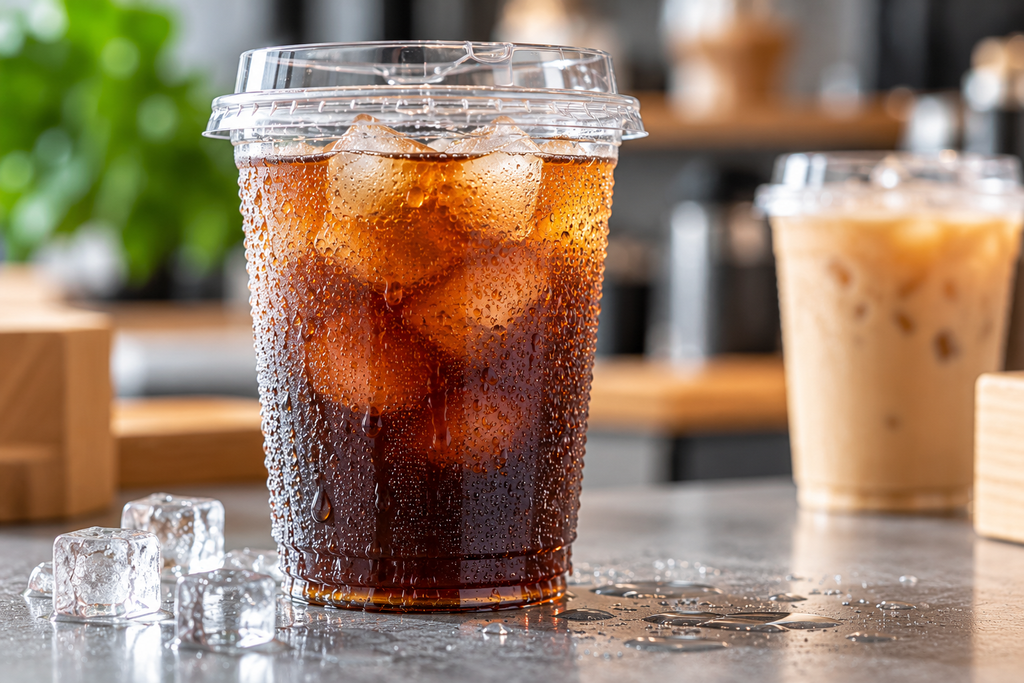
However, one common problem can affect the takeaway experience: condensation forming on the outside of cold drink cups.
A customer may receive an iced coffee in a perfectly clean cup, only to notice water droplets forming on the surface a few minutes later.
The cup becomes wet, moisture collects on the table, and nearby paper packaging may become damp.
For beverage businesses serving large numbers of cold drinks, these small inconveniences can affect how customers experience their products.
At Golden Sleeve, we understand that beverage packaging must support both the drink itself and the way customers handle it.
Our foodservice packaging range includes cups, cup sleeves, lids, and other takeaway packaging products.
Understanding why condensation occurs can help businesses make better packaging decisions for cold beverages.
Why Condensation Is a Problem for Cold Beverage Businesses
Condensation is a natural physical process, but it can create practical difficulties during beverage service.
Wet Cups Can Be Uncomfortable to Hold
When moisture collects on the outside of a cold cup, the surface becomes wet.
Customers carrying iced drinks may find the cup less comfortable to grip, especially when walking or holding other items.
For businesses selling takeaway beverages, handling comfort is an important part of the customer experience.
Water Droplets Can Leave Marks on Tables
Cold beverages are frequently placed on restaurant tables, office desks, and other surfaces.
As condensation accumulates, water may collect around the bottom of the cup.
This can leave visible moisture rings and require additional cleaning.
Paper Packaging May Become Damp
Takeaway drinks are often placed inside bags or carried alongside napkins, food wrappers, and other packaging.
If a cold cup develops significant surface moisture, nearby paper materials may absorb some of that water.
This can affect the appearance and handling of the overall takeaway order.
Printed Packaging May Look Less Presentable
For beverage brands using custom cold cups, packaging appearance is part of the customer experience.
Visible water droplets may temporarily obscure printed designs or make the cup surface look less clean.
The impact depends on the cup material, printing method, and surrounding conditions.
Why Does Condensation Form on Cold Drink Cups?
Condensation occurs when water vapor in the surrounding air comes into contact with a surface cold enough for the vapor to change into liquid water.
The temperature at which this happens is known as the dew point.
When a cup contains an iced beverage, its outer surface may become cooler than the surrounding air.
If the surface temperature falls below the dew point, moisture can begin to collect.
Several factors influence how much condensation forms.
Beverage Temperature
The colder the drink, the greater the potential temperature difference between the cup surface and the surrounding air.
A cup filled with ice may remain cold for an extended period, depending on the beverage and environmental conditions.
Humidity
Humidity plays an important role in condensation.
In humid environments, the air contains more water vapor.
When that moisture-rich air contacts a sufficiently cold surface, condensation may form more readily.
This is why cold drink cups can become particularly wet during warm, humid weather.
Cup Material and Construction
Different cup materials and constructions transfer heat at different rates.
These differences can influence the temperature of the cup’s outer surface.
However, cup material alone does not determine whether condensation will occur.
The surrounding temperature, humidity, beverage temperature, and cup construction all contribute.
Time Spent in the Surrounding Environment
Condensation may continue to develop while the cup remains cold enough.
A drink carried outdoors or left on a table for an extended period may experience changing moisture conditions.
This is particularly relevant for takeaway beverages that customers do not consume immediately.
5 Essential Ways to Manage Condensation Around Cold Drink Cups
Although condensation cannot always be prevented, businesses can take practical steps to reduce the inconvenience it creates.
1. Choose Cups Suitable for Cold Beverage Service
The first consideration is selecting packaging intended for the beverage being served.
Cold drinks may contain ice, fruit juice, milk-based ingredients, or other liquids.
The cup should be appropriate for the intended beverage and normal serving conditions.
When evaluating cold drink cups, businesses should consider the product’s material, construction, capacity, and intended application.
A cup suitable for cold beverages does not necessarily prevent condensation, but choosing the correct product helps establish an appropriate packaging solution.
2. Consider Cup Sleeves for Handling Comfort
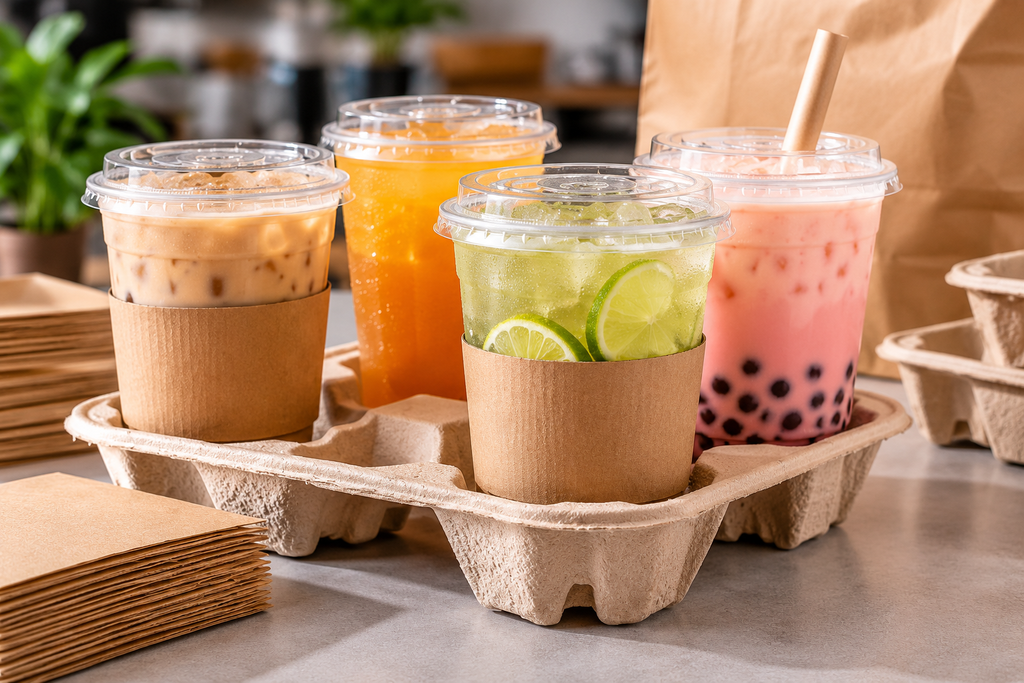
Cup sleeves are often associated with hot coffee, but an appropriately sized sleeve may also provide a separate gripping surface around some cold beverage cups.
This can reduce direct contact between the customer’s hand and moisture on the cup wall.
However, a sleeve does not stop condensation from forming.
Its suitability depends on the cup dimensions, sleeve material, and expected exposure to moisture.
At Golden Sleeve, cup sleeves are part of our beverage packaging range.
Businesses considering sleeves for cold drinks should confirm compatibility and suitability for the intended conditions.
3. Use Appropriate Takeaway Carriers
When customers purchase multiple cold drinks, a suitable beverage carrier can make transportation more convenient.
A carrier helps organize cups and can reduce the need to hold several wet cup surfaces directly.
For delivery orders, stable cup placement may also help prevent unnecessary movement.
Carriers do not eliminate condensation, and their materials should be suitable for the expected moisture exposure.
4. Keep Moisture-Sensitive Packaging Separate
Paper napkins, food wrappers, and certain takeaway bags can absorb moisture.
When packing cold drinks with food, businesses should consider how wet cup surfaces may contact surrounding materials.
Keeping moisture-sensitive items away from areas where condensation collects can help preserve the appearance of the order.
For businesses using disposable cold cups, this is a simple but useful packaging consideration.
5. Evaluate Packaging Under Real Serving Conditions
A cup that performs well in an air-conditioned environment may experience different condensation conditions outdoors.
Humidity, temperature, and the time between preparation and consumption can all affect the amount of moisture that develops.
Before adopting a packaging combination for regular service, businesses can evaluate it under conditions similar to those experienced by their customers.
For example, a bubble tea shop may want to observe how its selected cup, lid, sleeve, and carrier perform during a typical takeaway period.
This helps identify practical handling problems before they become recurring customer complaints.
How Better Cold Drink Packaging Supports the Customer Experience
Managing moisture-related problems can improve several aspects of takeaway beverage service.
More Comfortable Handling
An appropriate cup and packaging combination can help customers carry cold drinks more conveniently.
For beverages served with ice, handling comfort may be particularly important.
Cleaner Takeaway Presentation
Thoughtful packaging can help reduce unnecessary contact between wet cup surfaces and surrounding paper materials.
This supports a more organized presentation when customers receive their orders.
More Consistent Service Across Locations
Beverage chains often need to use the same packaging specifications across multiple stores.
Defining suitable cup sizes and packaging combinations can help establish more consistent service practices.
Clearer Packaging Requirements
Understanding condensation helps purchasing teams identify what matters when selecting cold beverage packaging.
Instead of focusing only on appearance, buyers can consider actual handling conditions and customer use.
Cold Beverage Packaging Solutions from Golden Sleeve
At Golden Sleeve, we supply paper packaging products for foodservice businesses.
Our product range includes cups, cup sleeves, lids, and related takeaway packaging.
For businesses serving cold beverages, selecting the right packaging combination requires an understanding of the intended drink and service environment.
Cups for Beverage Packaging
Cup capacity, material, and construction are important factors when evaluating beverage packaging.
Businesses should confirm that a particular cup product is intended for their cold beverage application before purchasing.
Cup Sleeves and Related Accessories
Cup sleeves provide an additional packaging component that businesses can consider for customer handling and presentation.
For cold beverage applications, the suitability of a sleeve should be evaluated according to its material, dimensions, and exposure to moisture.
Customization Requirements
Golden Sleeve supports discussions about product size, exterior printing, and packaging customization based on documented specifications.
For beverage brands, these requirements may involve different serving sizes and branded packaging designs.
The available customization options depend on the selected product and agreed project specifications.
Why Work with Golden Sleeve?
At Golden Sleeve, we combine manufacturing resources with US-based customer support.
Our manufacturing base includes paper cup forming, high-speed die cutting, folding and gluing, and blow molding.
We also support product specifications, sampling, logistics, and after-sales coordination through our US-based team.
Direct Manufacturing Resources
Our manufacturing structure supports communication between customer packaging requirements and production resources.
This can help reduce unnecessary communication layers when discussing product specifications.
Packaging Customization Support
We understand that beverage businesses may require different sizes, printing designs, and packaging arrangements.
Our team can discuss the available options according to documented customer requirements.
US-Based Communication and Coordination
Our US-based team supports specifications, sampling, logistics, and after-sales matters.
For American beverage businesses and packaging distributors, this provides a local contact when discussing purchasing requirements.
A Broader Foodservice Packaging Range
In addition to beverage cups, our product range includes cup sleeves, lids, and other paper packaging products.
This allows customers to explore related packaging requirements through Golden Sleeve.
Specific product suitability, sampling arrangements, and availability should be confirmed for each inquiry.
Looking for Cold Drink Cups for Your Beverage Business?
Condensation is a natural part of serving chilled beverages, especially in warm and humid conditions.
Although it cannot always be eliminated, suitable packaging choices can help reduce the inconvenience caused by wet cup surfaces.
For bubble tea shops, iced coffee chains, juice bars, and takeaway beverage businesses, the right packaging combination should consider both the beverage and the customer’s handling experience.
At Golden Sleeve, we welcome inquiries from businesses evaluating cups and related foodservice packaging products.
Looking for cold drink cups for your business?
Contact Golden Sleeve to discuss your beverage application, required cup sizes, packaging preferences, customization needs, and estimated order quantities.
Our team can review the available product options and help you evaluate packaging requirements for your business.
Contact Golden Sleeve today to request product information or a quotation.